Innovative Developments at Tate Britain's Riverside Transformation
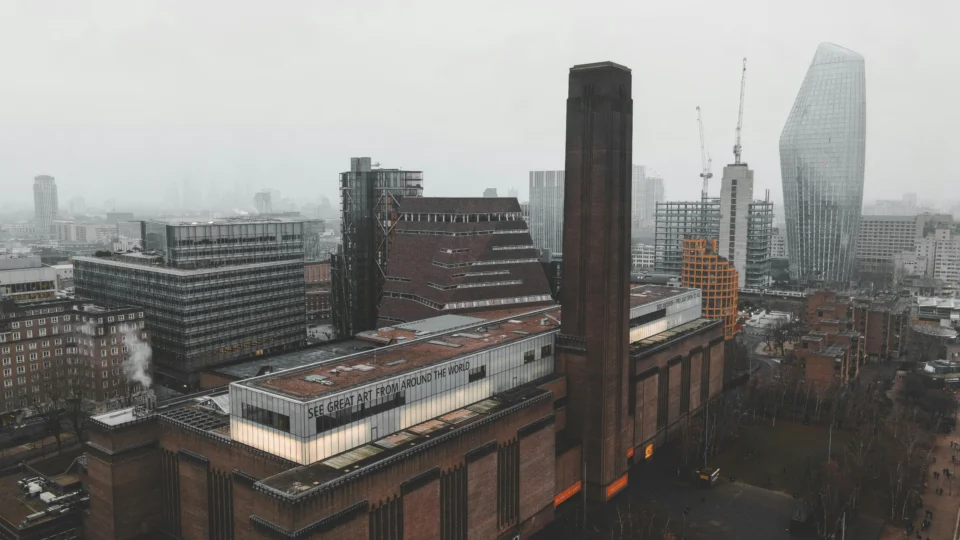
Tate Britain has officially begun construction on the Clore Garden, a new public landscape along the River Thames in London designed to enhance biodiversity and integrate art with nature. This project, led by acclaimed landscape architect Tom Stuart-Smith in collaboration with the Royal Horticultural Society (RHS), marks a significant step in revitalizing the gallery’s Millbank setting into an accessible oasis set to open in 2027. The initiative transforms the existing riverfront area into a multifaceted space emphasizing ecological diversity, artistic installations, and educational opportunities. Funded primarily by the Clore Duffield Foundation—with additional support from the Julia Rausing Trust—the garden addresses urban environmental challenges while fostering community engagement.
Key Design Elements and Sustainable Features
The Clore Garden incorporates thoughtful architectural and horticultural elements tailored to London’s evolving climate, including warmer winters and rising temperatures. Tom Stuart-Smith’s planting scheme, developed in consultation with the RHS, prioritizes species that provide year-round visual and ecological interest.
- Water and Accessibility Features: A wildlife pond and a central bronze water feature will serve as focal points, complemented by accessible winding pathways and new seating areas for public use.
- Educational and Structural Innovations: An outdoor classroom, designed by architectural firm Feilden Fowles—known for their work on the Urban Nature project at the Natural History Museum—will support learning programs. Reclaimed York stone from the site will be repurposed throughout, while a circular seating structure incorporates recycled local materials, such as cockle shells from the Thames Estuary.
- Artistic Integration: Sculptures from Tate’s collection, including an iconic piece by Dame Barbara Hepworth at the garden’s heart, will be prominently displayed. Additional works by British modern and contemporary artists are slated for announcement later this year.
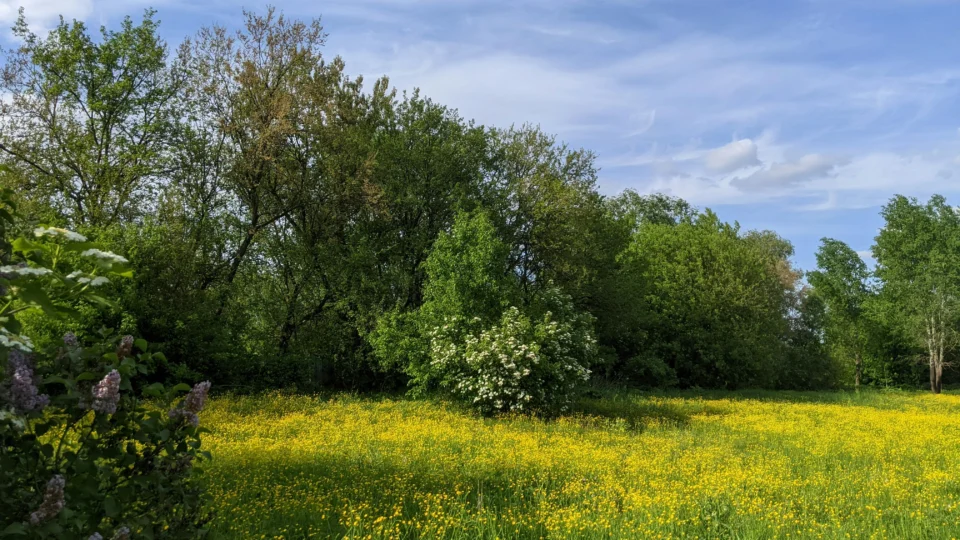
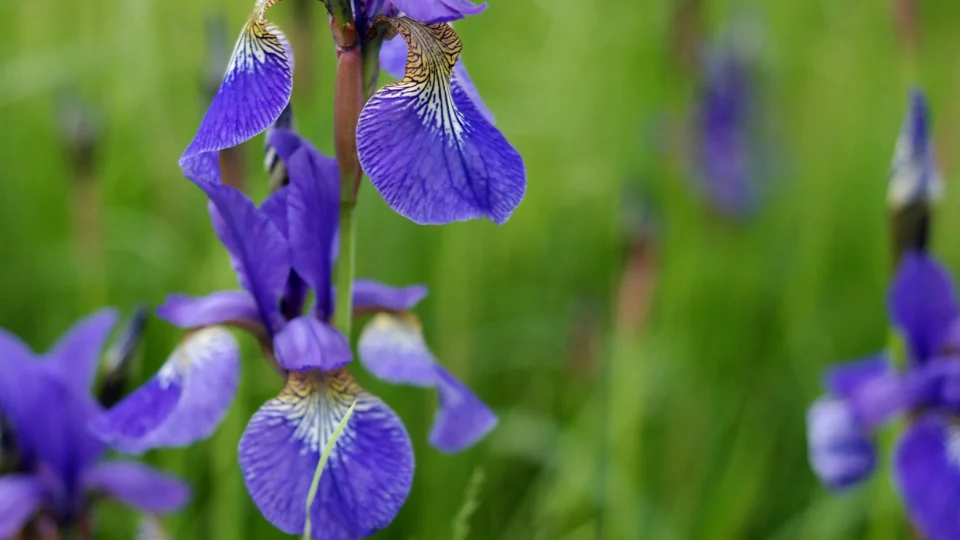
- Biodiverse Planting: The scheme features plants adapted to central London’s conditions, offering seasonal variety from spring cherry blossoms to evergreen magnolias in autumn and winter, promoting sustained wildlife habitats.
Planning permission was secured from Westminster Council earlier in 2026, following an open tender process. Blakedown Landscapes, the appointed main contractor, has initiated site clearance and excavation. The firm recently completed the Queen Elizabeth II Garden in Regent’s Park, demonstrating their expertise in high-profile public landscapes. Alex Farquharson, Director of Tate Britain, highlighted the project’s community focus: “From a new classroom to elegant water feature, peaceful seating areas to a reimagined café terrace, Tate’s visitors and surrounding communities are at the centre of these Notable plans which promise to transform Millbank into an oasis of creativity and calm, offering an encounter with nature and art before visitors even step into the gallery.”
Community Involvement and Broader Implications
The Innovative ceremony on May 1, 2026, featured the unveiling of collaborative artworks by Year 4 pupils from Millbank Gardens Primary Academy. These collaged paintings, created in workshops with artist Mónica Rivas Velásquez, reflect the children’s experiences with plants, gardens, and cultural traditions. The pieces will adorn site hoardings during construction, symbolizing local involvement. Dame Vivien Duffield, Chair of the Clore Duffield Foundation, emphasized the garden’s dual role in celebration and utility: “I am delighted that the Foundation is supporting the creation of the Clore Garden, in partnership with the RHS, to mark our 60th anniversary and celebrate our long relationship with Tate Britain. The new public garden will provide a wonderful opportunity for visitors to rest and recharge and a vital place for local communities to engage with both art and the natural world.” The project extends beyond the site through a preview at the RHS Chelsea Flower Show 2026. Stuart-Smith’s show garden, backed by the Clore Duffield Foundation and Project Giving Back, will showcase biodiverse planting, reused materials, a curved seating area, the bronze water feature, and the Hepworth sculpture. Post-exhibition, it will be relocated to Tate Britain for integration into the full design. Mayor of London Sadiq Khan praised the environmental benefits: “It’s fantastic that a new green haven is being created by Tate Britain and the Clore Duffield Foundation in the heart of the capital, where people can reconnect with nature and wildlife will be able to thrive. Investment in green spaces like this is vital as we work to tackle the climate crisis and build a better, greener London for everyone.” Clare Matterson CBE, RHS Director General, underscored the partnership’s potential: “We’re excited to be embarking on a new, long term partnership with our neighbours Tate Britain to bring many thousands of new plants into the heart of London. The garden will not only serve the local community and gallery visitors but contribute to helping make the capital that bit greener.” Throughout construction, Tate Britain will remain open to the public, with visitors directed to the Atterbury Street entrance starting in May 2026. As urban green spaces become increasingly vital amid climate challenges, the Clore Garden exemplifies how cultural institutions can lead in blending art, ecology, and accessibility. What could this mean for the future of city landscapes, where such integrations might inspire widespread adoption of resilient, community-driven designs?
Fact Check
- Construction on the Clore Garden at Tate Britain commenced on May 1, 2026, with an expected opening in 2027, funded by the Clore Duffield Foundation and supported by the Julia Rausing Trust.
- The design by Tom Stuart-Smith and the RHS includes a wildlife pond, bronze water feature, accessible pathways, and year-round planting adapted to London’s changing climate.
- Blakedown Landscapes serves as the main contractor, following their work on the Queen Elizabeth II Garden in Regent’s Park, with planning approval from Westminster Council earlier in 2026.
- Community engagement featured artworks by Millbank Gardens Primary Academy pupils, and a preview show garden will appear at RHS Chelsea Flower Show 2026 before relocation to the site.
- Tate Britain stays accessible during works via the Atterbury Street entrance from May 2026 onward.