
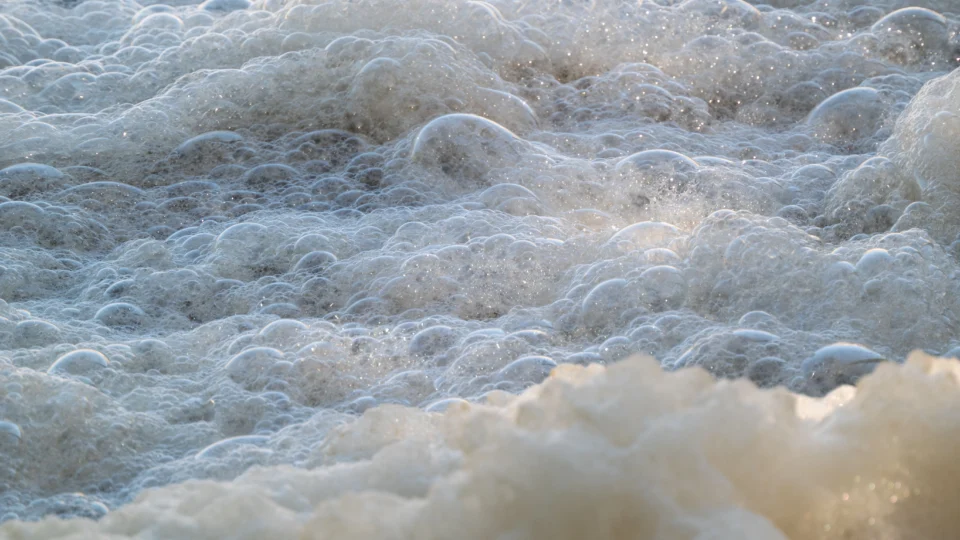
Lawn owners spotting mysterious white foam clusters this season might first suspect an odd prank or residue from recent rains, only to discover the true source lies in tiny insect nymphs protecting themselves amid the grass.
Spittlebugs and Their Foam-Producing Habits
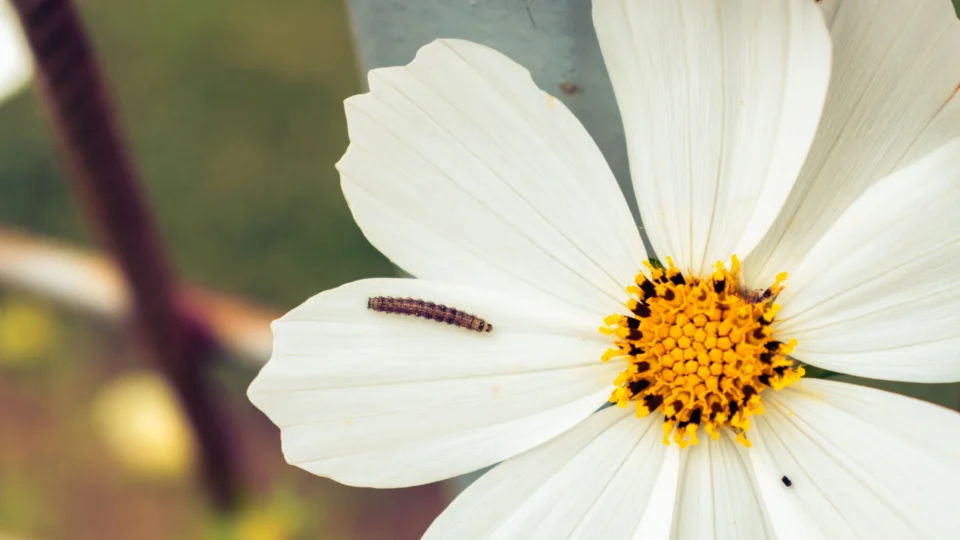
The foamy bubbles commonly seen on lawns and garden plants result from spittlebug nymphs, the immature stage of insects also known as froghoppers. These nymphs feed on plant sap using piercing mouthparts and excrete excess liquid that mixes with air and a stabilizing secretion to form protective foam dwellings. This foam shields the insects from predators as well as temperature and humidity fluctuations. Around 30 species of spittlebugs exist in the United States, including the meadow spittlebug (Philaenus spumarius), the twolined spittlebug (Prosapia bisincta), and the pine spittlebug (Aphrophora parallella), the latter often appearing on evergreens such as pines, firs, and spruce. Eggs overwinter in hollow stems or under leaves before nymphs hatch in spring and move up plant stems while feeding. The foam is not actual spit but a byproduct of their digestive process. Nymphs typically mature in five to eight weeks, after which adult froghoppers hop away to grassy or weedy areas.
"Spitting's a dirty habit" — so why does it look like somebody has been regularly leaving loogies all over your lawn and garden plants this spring?
When Spittlebugs Pose Risks to Turfgrass
Spittlebugs generally cause minimal harm beyond occasional leaf stippling, and populations remain low without lingering long. However, the twolined spittlebug can damage turfgrass, particularly centipedegrass and St. Augustinegrass, leading to a shabby appearance or even grass death in severe cases. Lawns with thatch buildup experience the most significant issues, sometimes resulting in a “squishy” feel underfoot from accumulated froth.
- Blast foam away with a hose or remove by hand for light infestations on plants like oregano or berry bushes.
- Mow and irrigate the lawn several hours before applying a targeted pesticide during heavy outbreaks.
- Prioritize dethatching to reduce favorable conditions for nymph development.
Management Steps for Homeowners
Homeowners facing visible foam masses can address them without broad intervention in most scenarios, as the insects depart naturally after maturation. For turf-focused concerns, timely cultural practices like thatch removal prove more effective than chemical options alone. What could this mean for the future of lawn care practices as insect patterns shift with changing seasonal conditions? Fact Check
- Foamy bubbles on lawns come from spittlebug nymphs that excrete sap mixed with air for protection.
- Common U.S. species include meadow spittlebug, twolined spittlebug, and pine spittlebug.
- Nymphs hatch in spring after overwintering as eggs and mature in five to eight weeks.
- Twolined spittlebugs can damage centipedegrass and St. Augustinegrass, especially in thatchy lawns.
- Control options include hosing off foam or applying spittlebug-specific pesticides after mowing and irrigating.
Great content! Keep up the good work!