Imagine stepping into your backyard on a quiet morning, only to spot a vibrant woodpecker or curious cardinal exploring a feeder stocked with unexpected pantry staples instead of the usual seed mix. This scenario highlights how everyday items can transform bird feeding routines while supporting local wildlife.
Exploring Non-Seed Options for Bird Feeders
Wild birds enhance gardens by consuming insects and aiding weed control, and attracting them does not always require specialized seed blends. A range of common foods appeals to various species, provided feeders remain clean to prevent disease spread. Additional garden features like shrubs, grasses, and water sources further encourage year-round visits.
Peanuts Draw Multiple Species
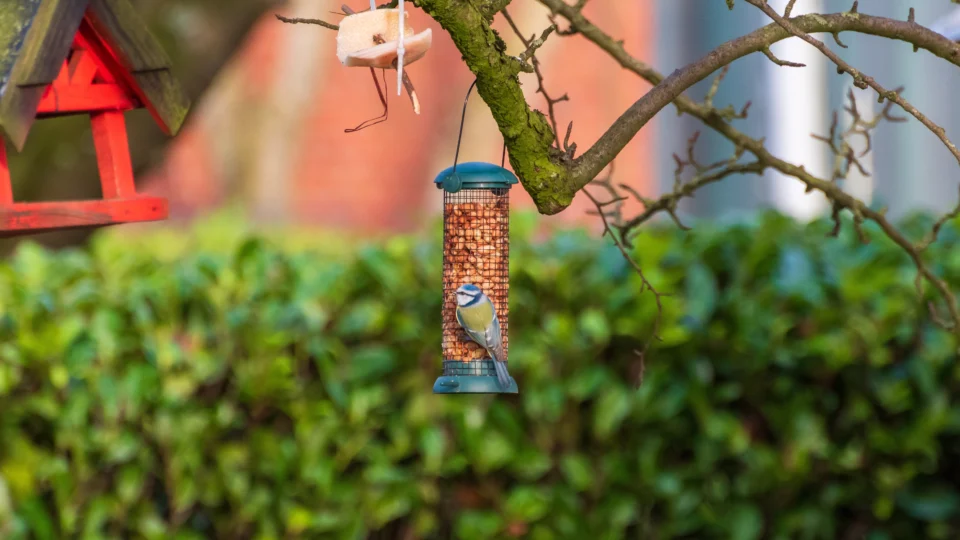
Peanuts attract blue jays, chickadees, and woodpeckers when placed in wire mesh or wreath-style feeders. Crows may visit platform feeders or when nuts are scattered. Unsalted, shelled, and unroasted peanuts provide beneficial fat and protein, especially in colder months, though they also draw squirrels.
- Suitable for wire mesh and wreath feeders
- Avoid roasted or salted varieties
- Position to limit squirrel access where desired
Corn Appeals to Diverse Birds
Corn serves as an affordable option that draws juncos, blackbirds, doves, and cardinals. Whole ears can hang from feeders, while cracked corn works in platform styles that may also attract crows. Regular replacement prevents mold and harmful bacteria.
- Use dried and broken pieces for smaller birds
- Change every day or two to maintain freshness
- Platform feeders increase variety of visitors
Oats Offer Simple Additions
Uncooked oats appeal to ducks and doves as a source of protein, fiber, and carbohydrates. They lack high fat content, making them less ideal alone in winter unless mixed with suet. Dry conditions prevent gumminess or mold.
- Combine with other foods for balanced nutrition
- Use roofed feeders to keep dry
- Monitor for uneaten portions on the ground
Fruit Attracts Fruit-Loving Species
Fruit draws orioles, tanagers, and robins, with oranges favored by orioles and apples by buntings and cardinals. Specialized feeders with hooks support fresh pieces, while dried options like raisins and cranberries fit various styles. Frequent changes avoid attracting ants or spreading issues.
- Select based on target bird preferences
- Clean feeders regularly during use
- Dried fruits extend usability in standard feeders
Mealworms Provide Protein Boosts
Mealworms deliver protein for cardinals and bluebirds. Live versions offer more fluids than dried ones, though not all birds accept the dried form. Breeding in wheat bran tubs allows a steady supply, with specialized feeders preventing escapes.
- Available at pet shops or raised at home
- Ensure no mold develops
- Clean feeders consistently for safety
- Peanuts attract blue jays, chickadees, and woodpeckers when unsalted and unroasted.
- Corn draws juncos, blackbirds, doves, and cardinals and requires regular changes to avoid mold.
- Uncooked oats appeal to ducks and doves but may need mixing for winter use.
- Fruit options like oranges and apples target orioles, tanagers, and robins.
- Mealworms serve as protein sources for cardinals and bluebirds, with live forms preferred by some.
Would you try these alternatives in your garden? Fact Check