The Growing Concern of Termites in Home Gardens
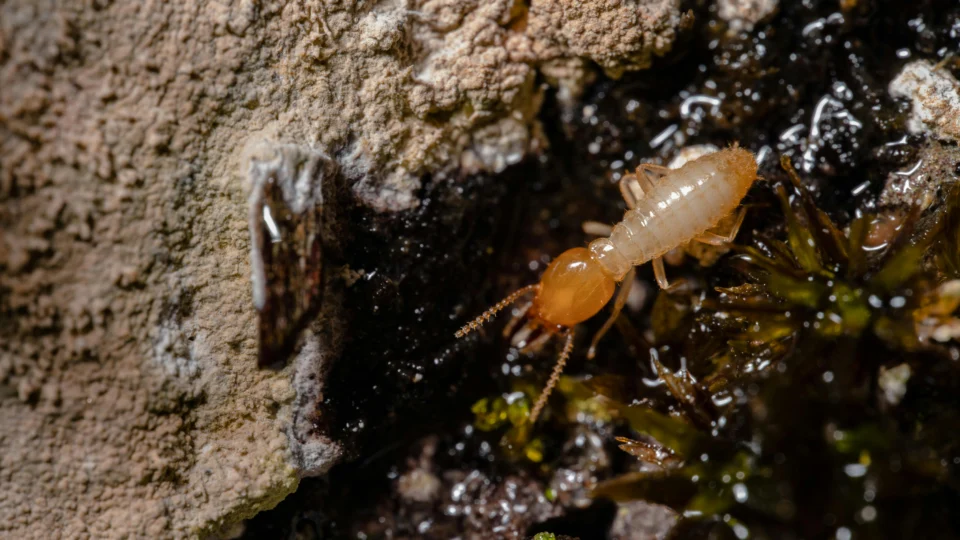
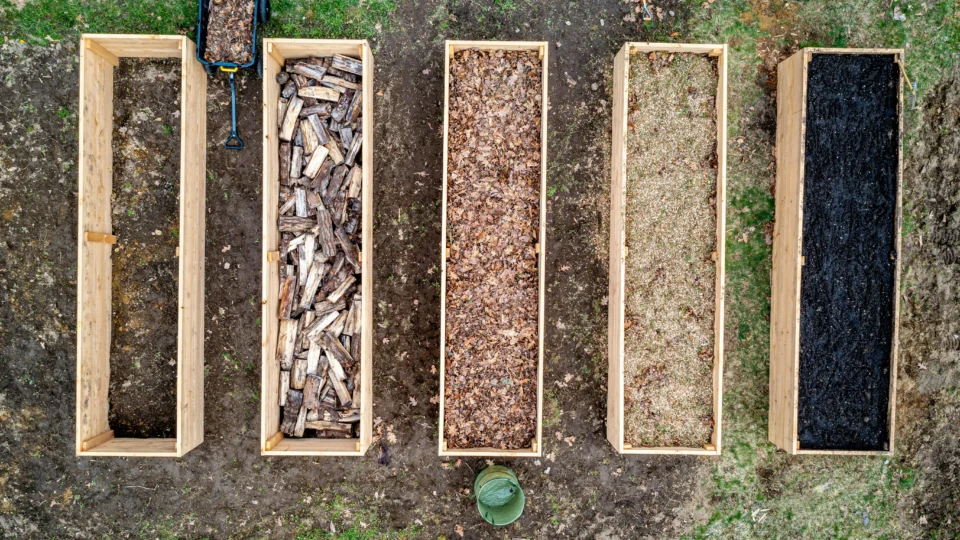
Termites, notorious for their appetite for wood, can unexpectedly infiltrate raised garden beds, turning a gardener’s sanctuary into a potential hotspot for destruction. These pests thrive in moist environments near food sources, and wooden raised beds filled with twigs or old logs can inadvertently provide both. In natural settings, termites often target buried stumps, but they adapt readily to human-made structures like compost piles or garden frameworks. Building colonies underground, they communicate through chemicals and remain largely hidden, with worker termites appearing as small, white insects about a quarter of an inch long. These workers are not selective eaters; they consume wood indiscriminately and can even damage the roots of flowers or vegetables in garden beds. If spotted in the yard, such activity signals a risk of escalation to nearby homes and broader garden areas.
Identifying Signs of Termite Activity
Detecting termites early is crucial to prevent widespread damage, as colonies can expand rapidly once established. Gardeners should monitor for specific indicators that suggest an infestation:
- Blistering on wood surfaces: Look for unusual bubbling or raised areas on the paneling of raised beds, which may indicate termites feeding beneath the surface.
- Raised dirt tunnels: These mud-like tubes, constructed by termites for protection while foraging, often appear along wooden structures.
- Swarms of winged insects: The most visible sign involves groups of adult termites with wings, typically emerging from mature colonies to seek new nesting sites; this is a clear alert for a large, established population.
Absence of these signs does not guarantee safety, particularly in warmer climates where termites are more active year-round. Uncertainty exists around exact colony sizes in garden settings, as they vary by environmental factors not detailed in available observations.
Strategies for Termite Removal and Prevention
Addressing a termite issue in raised garden beds requires prompt and methodical action, especially if the beds are near residential structures. Natural and structural interventions can effectively disrupt colonies without resorting to harsh chemicals immediately.
- Apply boric acid or borax: These substances interfere with termites’ digestive processes, leading to their death; borax, commonly found in household products like laundry boosters, works gradually but can be mixed into affected areas for outdoor control.
- Use diatomaceous earth: This natural powder dehydrates and kills termites on contact, serving as a supplementary barrier around beds.
- Remove infested materials: For severe cases, evacuate all soil, plants, and wood from the bed to eliminate food sources, prompting termites to relocate; this labor-intensive step prevents further nesting.
- Reconstruct with non-wood materials: Opt for metal sheeting or plastic/foam alternatives, such as pool noodles for edging, which termites cannot consume.
- Clear surrounding debris: Eliminate rotting logs, stumps, or other wood waste on the property to reduce overall attraction.
In warmer regions, ongoing vigilance is essential, as termites flourish in such conditions. While these methods are effective for garden-scale problems, professional intervention may be needed for larger infestations threatening home foundations. Gardeners facing potential termite issues in their raised beds might consider a thorough inspection this season—would implementing these preventive measures safeguard your own garden space?
Fact Check
- Termites construct underground colonies and feed on wood, including frameworks of raised garden beds and even plant roots.
- Worker termites are typically white and measure about a quarter of an inch in length, thriving in moist areas with steady food supplies.
- Key infestation signs include wood blistering, mud tunnels, and swarms of winged adults from established colonies.
- Borax disrupts termite digestion for slow elimination, while removing wood sources and using non-edible materials like metal prevents recurrence.
- Termites pose a heightened risk in warmer climates, where proactive debris removal is advised.