Versatile Hori Hori: A significant change for New Garden Enthusiasts
In an era where home gardening has surged in popularity amid urban living trends and a push for sustainable self-sufficiency, beginners often face a steep learning curve with tools and techniques. The Hori Hori, a multifunctional Japanese gardening implement, stands out as an accessible entry point, simplifying tasks without overwhelming new users. Originally designed for bonsai tree care, this tool—translating to “dig-dig” in Japanese—combines the utility of a trowel and knife, making it ideal for small-scale gardening projects. Its affordability and versatility help novices avoid the pitfalls of over-purchasing equipment, allowing them to focus on plant selection, watering, and fertilization basics. The Hori Hori excels in everyday garden chores, from planting seeds in small holes to tackling weeds and opening packages of soil or fertilizer. One blade edge is serrated for tougher cuts, while the other remains smooth for precision work. Many models include etched measurements along the blade, aiding in depth gauging for planting or portioning materials like string or twine. This all-in-one design proves particularly useful for seasonal tasks, such as dividing perennials in the fall, reducing the need for multiple specialized tools.
Selecting the Right Hori Hori for Your Garden
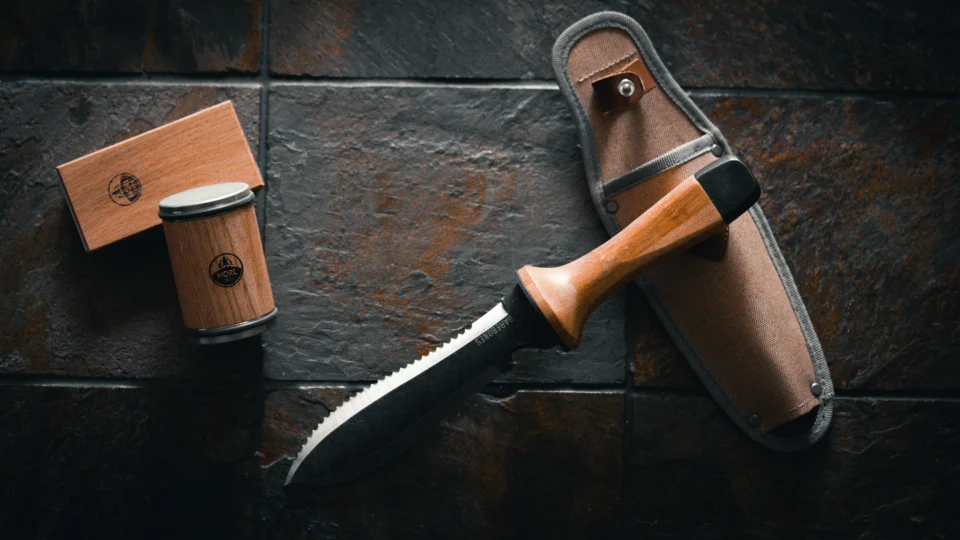
Choosing a quality Hori Hori ensures longevity and comfort, especially for those new to gardening. Opt for a model with a sturdy, wide blade crafted from durable carbon or stainless steel to handle repeated soil contact. A blade length of approximately 6 inches provides balance, functioning effectively as both a knife and a mini-spade. Prioritize an ergonomic handle that fits comfortably in the hand during extended use. Key features to look for include:
- Notches along the blade for cutting twine or removing weeds at the root.
- A protective sheath, often made of heavy nylon or leather, for safe belt attachment and storage.
- Availability at local garden centers or nurseries for hands-on testing, though online options abound for convenience.
While specific models vary, well-regarded versions measure around 7 inches overall and are praised for their full-tang construction, enhancing durability.
Maintaining and Maximizing Your Hori Hori Tool
Proper care extends the life of the Hori Hori, keeping it sharp and ready for the next season. After each use, clean the blade thoroughly to remove dirt and debris, preventing rust or dulling. Periodic sharpening maintains its cutting edge, essential for efficient weeding and slicing. In colder months, store the tool protected from harsh weather to avoid damage. This simple maintenance routine aligns with broader gardening practices, ensuring tools remain reliable without added complexity for beginners. As gardening continues to grow as a therapeutic and eco-friendly hobby, tools like the Hori Hori democratize access to green spaces. Would you incorporate this versatile knife into your starter kit to streamline your outdoor projects?
Fact Check
- The Hori Hori originated as a tool for bonsai tree work and translates to “dig-dig” in Japanese, serving as a hybrid trowel and knife.
- It features a serrated edge on one side, a smooth edge on the other, and measurement markings along the blade for practical gardening tasks like digging and dividing plants.
- Recommended specifications include a 6-inch blade of carbon or stainless steel, an ergonomic handle, and notches for weeding and twine cutting.
- Availability spans garden centers and online retailers, with care involving regular cleaning, sharpening, and winter protection.
- Common uses encompass planting small holes, weeding, opening soil bags, and perennial division in fall.