Maximizing Comfort and Shade in Hammock Placement
In an era where home gardening and outdoor leisure products are increasingly popular for stress reduction and wellness, selecting the right spot for a hammock can transform a simple yard into a serene retreat. Hammocks offer a gentle way to unwind amid warm weather, but their usage hinges on optimal placement to avoid underutilization due to discomfort from direct sun exposure.
Identifying the Ideal Shady Spot in Your Yard
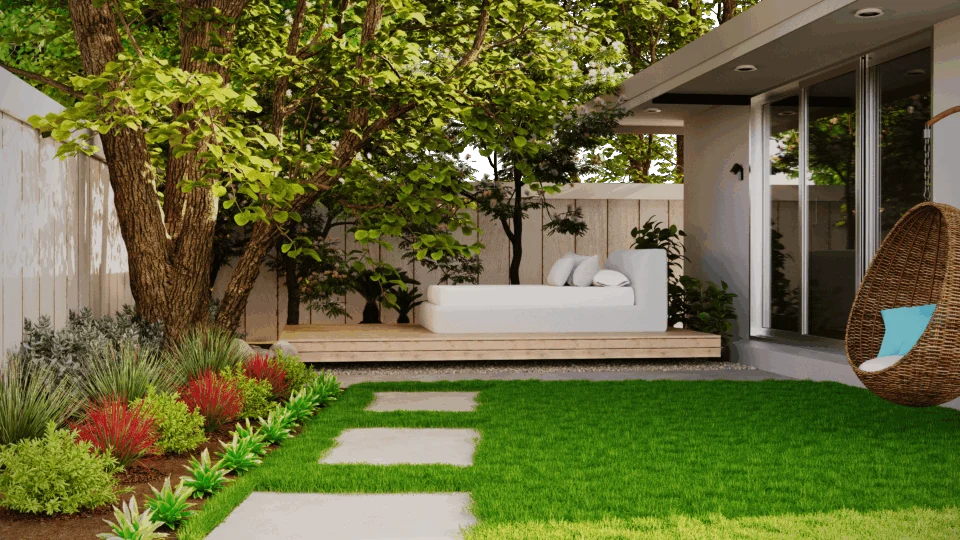
The east side of the lawn emerges as a prime location for hanging a hammock, providing morning sunlight that is gentler and cooler, followed by afternoon shade during peak heat hours. This positioning ensures users benefit from natural protection when the sun is strongest, promoting longer relaxation sessions. To pinpoint the shadiest area:
- Capture photographs of your yard on a sunny day at three intervals: morning, midday, and evening.
- Compare the images to identify consistent shade patterns, accounting for any large trees that may influence light distribution.
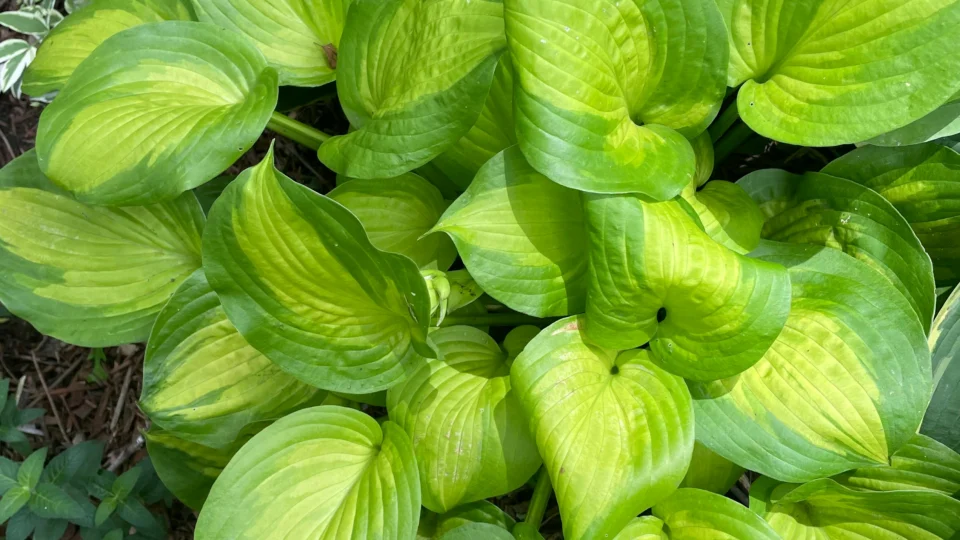
In hotter regions, shade plays a crucial role in hammock appeal, as excessive sun can deter use. East-facing areas naturally align with this need, and they support a variety of shade-tolerant plants that enhance the scenic environment. Suitable options include hostas, hydrangeas, and irises—species that thrive in cooler conditions and can handle occasional root moisture from slower evaporation in shaded zones. Opt for heat-averse varieties to maintain a lush backdrop without frequent maintenance.
Practical Steps for Secure Hammock Installation
Once the location is chosen, installation methods determine safety and usability. Decide between a freestanding hammock stand for flexibility or suspension between two sturdy trees, ensuring the distance between attachment points exceeds the hammock length by about two feet—typically 13 to 16 feet for standard models. Key installation guidelines include:
- Position the hammock seat approximately 18 inches above the ground, allowing easy entry and exit by placing feet on the grass.
- Angle hanging straps at roughly 30 degrees to prevent excessive tautness, which could reduce comfort.
- Clear the area beneath of hazards like tree stumps or thorny plants to avoid injuries from falls.
- For a flatter lying surface that minimizes curling, incorporate a spreader bar to keep the fabric extended.
Before use, verify the hammock’s weight capacity, which generally ranges from 250 to 800 pounds, accommodating solo users, families, or multiple occupants as specified by the manufacturer. These steps not only ensure durability but also align with broader trends in outdoor product design emphasizing user safety and ergonomic appeal. How do you approach hammock placement in your outdoor space, and what impact has it had on your relaxation routines?
Fact Check
- East-facing yard spots provide morning sun and afternoon shade, ideal for hammock comfort in hot weather.
- Photographing the yard at morning, midday, and evening helps identify shadiest areas accurately.
- Hammocks typically require 13-16 feet between trees for secure hanging, with seats 18 inches off the ground.
- Weight limits for most hammocks fall between 250 and 800 pounds.
- Shade-tolerant plants like hostas, hydrangeas, and irises suit east-facing gardens and tolerate moist roots.