
Understanding the Risk of Termites in Home Gardens
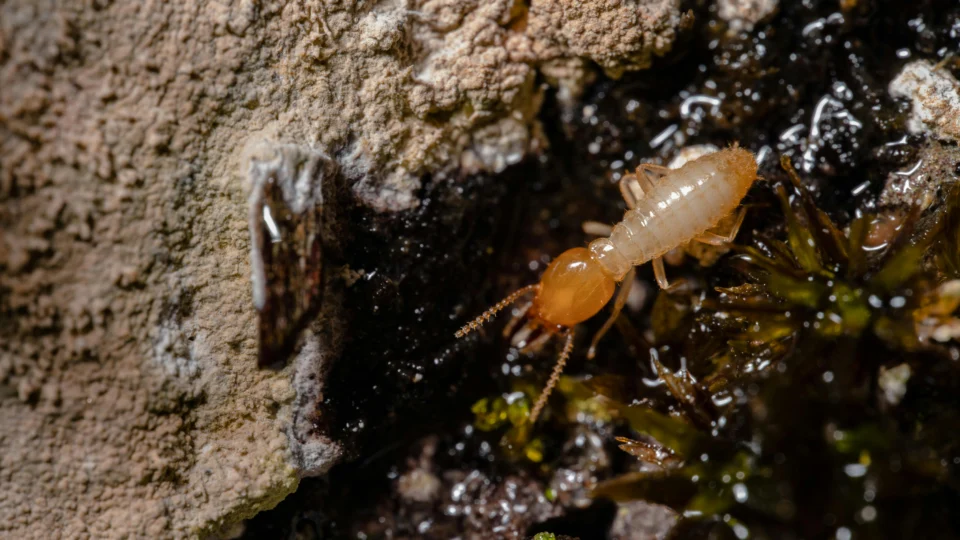
Termites, which can cause significant structural damage to wooden elements, have been found to establish colonies in raised garden beds, particularly those constructed from wood and filled with organic mulch. These pests seek out moist environments near food sources like buried wood stumps or compost piles, making garden setups vulnerable. Workers, typically white and about a quarter-inch long, build underground colonies where most of the population resides and feeds on cellulose in wood.
Identifying Signs of Termite Infestation
Gardeners should monitor for early indicators to prevent escalation. Key signs include:
- Bubbling or blistering on the surface of wood paneling in raised beds.
- Mud tubes or ridges left by termites as they travel between soil and wood.
- Swarms of winged reproductive termites, which emerge from mature colonies to establish new ones.
These winged adults are often the most visible clue, appearing during warm seasons when colonies are large enough to reproduce. If spotted near garden beds, it signals potential nearby activity that could spread to plants or nearby structures.
Effective Methods for Termite Removal and Prevention
Addressing a termite issue requires prompt action, especially if beds are close to homes. Natural and chemical options can help control populations outdoors:
- Apply boric acid or borax solutions, such as 20 Mule Team borax powder mixed with water, directly to affected areas. These substances disrupt the termites’ digestive systems, leading to their death.
- Use diatomaceous earth sprinkled around the bed’s base; it dehydrates insects on contact.
- For severe cases, remove all soil, plants, and wooden components from the bed, disposing of infested materials to encourage remaining termites to leave.
To rebuild and prevent recurrence, consider alternatives like metal sheeting for bed frames, as termites cannot consume non-wood materials. Additionally, eliminate attractants by clearing wood debris, stumps, or moist piles from the property, as these provide ideal breeding grounds. Uncertainties remain around the exact prevalence of termite issues in raised beds, as it varies by region and climate, but proactive inspections are recommended year-round. Gardeners facing potential infestations might evaluate their bed materials and maintenance routines—would switching to metal frames safeguard your garden investment?