
Imagine tending to your thriving vegetable patch in a sturdy raised garden bed, only to discover tiny tunnels weaving through the soil—silent invaders threatening not just your harvest, but your home’s foundation. This scenario is more common than many gardeners realize, as termites quietly infiltrate these wooden structures, turning a haven of growth into a potential hotspot for destruction.
Understanding the Termite Threat in Raised Garden Beds
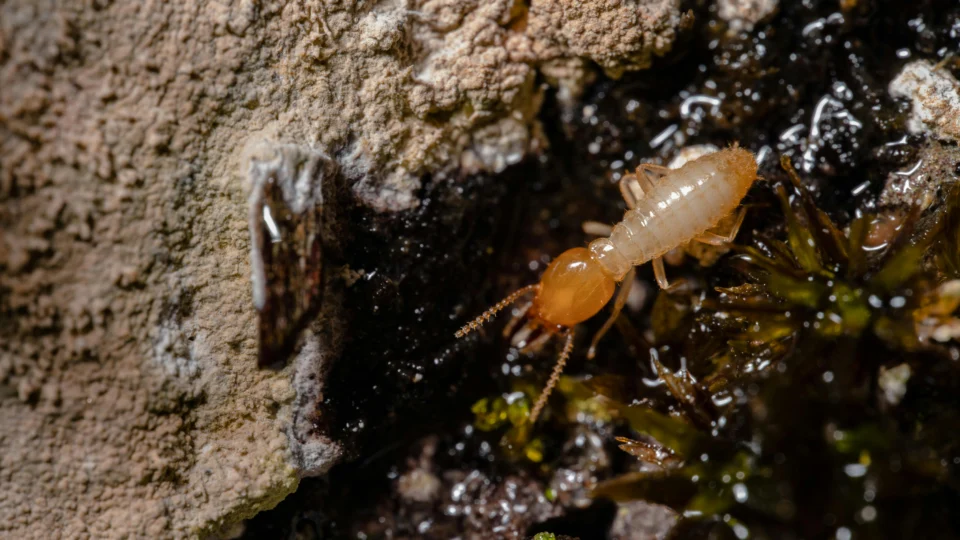
Termites, notorious for their wood-devouring habits, pose a significant risk to raised garden beds constructed from timber. These pests are drawn to the moist environments and wooden frameworks that many gardeners use to elevate their soil for better drainage and accessibility. In natural settings, termites gravitate toward damp areas near reliable food sources, such as buried stumps, but they readily adapt to human-made features like garden beds filled with twigs, old logs, or even compost piles. This unintended invitation can lead to colonies establishing themselves underground, where the insects communicate through chemical signals and spend most of their lives hidden from view. Worker termites, typically white and measuring about a quarter of an inch in length, are not selective eaters. They consume wood indiscriminately and extend their damage to the roots of flowers and vegetables planted in the beds. If left unchecked, a garden infestation can escalate, serving as a bridge for termites to reach nearby structures like homes, amplifying the problem from a minor nuisance to a costly structural threat. Warmer climates exacerbate this issue, as termites thrive in such conditions, making vigilance essential for gardeners in those regions.
Identifying Signs of Termite Activity
Early detection is crucial to prevent widespread damage. Gardeners should inspect their raised beds regularly for telltale indicators of termite presence:
- Blistering on wood surfaces: Soft, bubbled areas on the paneling where termites have tunneled beneath.
- Raised dirt tunnels: Mud-like tubes constructed by termites to travel between food sources, often visible along the bed’s edges or base.
- Swarms of winged insects: Adult termites with wings, appearing in large numbers as they seek new nesting sites; this is a strong signal of an established, mature colony.
These signs suggest an active infestation, particularly if the garden bed is located near a house, where proximity could facilitate further spread.
Effective Strategies for Termite Removal and Prevention
Addressing a termite problem requires prompt and multifaceted action to safeguard both the garden and surrounding property. Natural and low-toxicity methods can be effective for outdoor control, though severe cases may demand more intensive measures.
- Apply boric acid or borax: These substances disrupt the termites’ digestive systems, leading to their demise. Household borax powder, such as 20 Mule Team brand commonly found in laundry supplies, can be mixed into a solution and applied to affected areas. However, it acts slowly, so combine it with other tactics for better results.
- Use diatomaceous earth: This natural powder dehydrates and kills termites upon contact, making it a suitable option for garden bed perimeters.
- Remove infested materials: For heavy infestations, evacuate all soil, plants, and wooden elements from the bed. Eliminating the food source often prompts the colony to relocate.
- Reconstruct with non-wood alternatives: Opt for metal sheeting or plastic/foam linings in rebuilt beds, as termites cannot consume these materials. Additionally, clear away rotting logs, debris, or other wood attractants from the yard to reduce overall appeal.
Preventive maintenance, such as avoiding wood mulch in beds and monitoring for moisture buildup, can deter future invasions. In warmer regions, where termites are more prevalent, annual inspections become a non-negotiable part of garden care. As you inspect your own raised beds this season, consider implementing these preventive steps—could proactive checks save your garden from an unseen siege?
Fact Check
- Termites are attracted to raised garden beds due to their wooden construction and potential fillings like twigs or logs, creating moist, food-rich environments.
- Worker termites are white, about a quarter-inch long, and build underground colonies using chemical communication.
- Key infestation signs include wood blistering, mud tunnels, and swarms of winged adults indicating mature colonies.
- Borax interferes with termite digestion for slow-acting control, while removing wood sources and using non-edible materials like metal prevents recurrence.
- Termites thrive in warmer climates, posing greater risks near homes if garden beds are infested.