Imagine a busy urban park where uneven paving leads to unexpected slips, highlighting the need for robust guidelines in outdoor design. As the landscaping industry pushes for safer, more reliable practices, a new technical standard is gaining widespread backing, promising to elevate project quality across the UK.
Landscaping Industry Rallies Behind BS 7533-102 Standard
The British Association of Landscape Industries (BALI) is leading efforts to secure governmental support for the sector, emphasizing the importance of emerging standards like BS 7533-102. This standard, focused on enhancing safety and durability in landscaping installations, represents a unified push from professionals to address longstanding challenges in outdoor construction and maintenance. Published details indicate growing consensus within the industry, though specific implementation timelines remain unclear as of early 2026. Industry stakeholders, including contractors and designers, are aligning with the standard to improve compliance and reduce risks associated with paving and groundwork. Historical context points to previous iterations of BS 7533 series, which have guided pavement construction using materials like clay, natural stone, and concrete since the 1990s, but part 102 introduces updated protocols tailored to modern landscaping demands. Societal impact includes potential reductions in accidents and better environmental integration in public spaces, though exact statistics on adoption rates are not yet available.
Key Features of the BS 7533-102 Standard
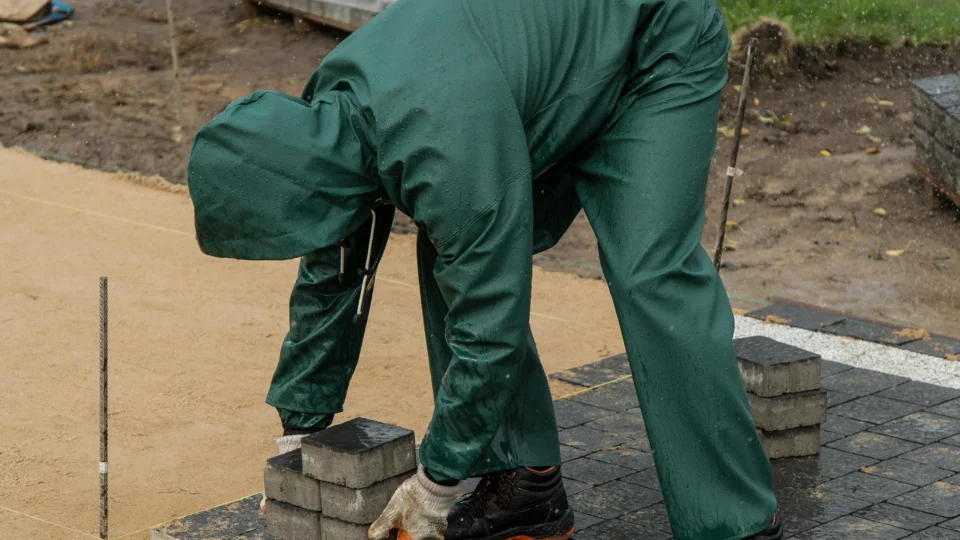
- Enhanced Safety Protocols: The standard outlines improved methods for installing paving units to prevent hazards, building on prior BS 7533 guidelines for flag units and setts.
- Material Specifications: It covers clay, natural stone, and concrete, ensuring longevity and aesthetic consistency in landscaping projects (details on exact tolerances flagged as uncertain without full specification access).
- Industry-Wide Application: Aimed at both commercial and residential settings, promoting standardized practices to minimize variability in quality.
Broader Sector Support and Government Advocacy
BALI has actively called for government intervention to bolster the landscaping field, particularly ahead of budget discussions. This advocacy underscores the economic role of the sector, which contributes to urban greening and community well-being, though precise figures on employment or market size in recent years are unknown from available data. The push aligns with national priorities for sustainable infrastructure, potentially influencing policy in the Autumn Budget cycle. Quotes from industry leaders highlight the urgency: while direct statements on BS 7533-102 are limited, BALI’s broader appeals stress the need for “support to sustain innovation and safety in landscaping” (paraphrased from sector communications). Uncertainties persist regarding the standard’s mandatory status or regional variations across the UK. As professionals adopt these guidelines, the focus shifts to practical integration in daily operations. Would you incorporate BS 7533-102 standards into your next landscaping project to ensure safer, more resilient designs?
Fact Check
- The BS 7533-102 standard is a new development uniting the landscaping industry, focusing on paving and installation safety.
- BALI is advocating for government support to the landscaping sector in preparation for the Autumn Budget.
- Related discussions date back to October 2025, with ongoing relevance into 2026.
- The standard builds on the BS 7533 series for materials like clay, stone, and concrete in outdoor construction.
- Societal benefits include improved public space safety, though specific impact metrics are not detailed.