2026 Gardening Trends Emphasize Eco-Conscious Design
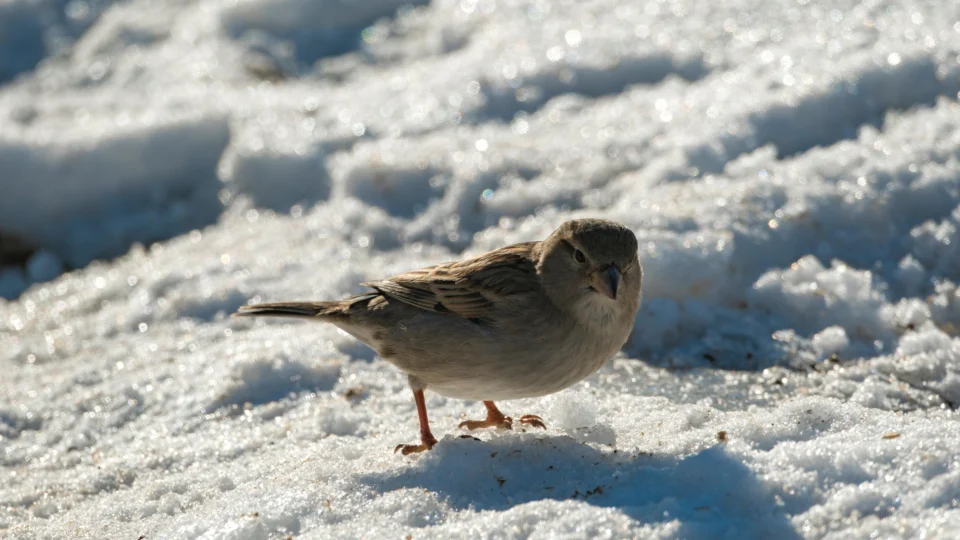
Gardening practices in 2026 are shifting toward options that support local ecosystems and personal well-being, with a strong emphasis on native plants that require less water and fertilizer to address declining bird and insect populations due to habitat loss.
Prioritizing Nature and Wildlife in Garden Planning
Gardeners are increasingly selecting plants native to North America to reduce environmental impact and support biodiversity. This approach involves replacing traditional lawns with native species that provide food and shelter for wildlife.
- Native flowers and plants with low maintenance needs are recommended for side yards or contained plots to start rewilding efforts.
- Examples include purple coneflowers and swamp milkweed, which attract pollinators like monarch butterflies.
- Rewilding yards helps combat climate change by lowering carbon footprints through reduced resource use.
Better Homes & Gardens notes that these choices reflect a broader commitment to planetary health in outdoor spaces.
Bold Aesthetics and Functional Features for Personal Spaces
Trends in 2026 also highlight expressive designs and practical elements tailored to individual lifestyles, including vibrant color schemes and pet-friendly layouts.
Maximalism and Cut Flower Gardens
The Pennsylvania Horticultural Society describes a rise in maximalist gardens, inspired by a philosophy of abundance and joy. These spaces feature layered bold colors, textures, and accessories to create dramatic, personalized environments.
- Showy flowers, funky potted plants, and eclectic decor are key components.
- Cut flower gardens allow for homegrown bouquets with long-blooming varieties like zinnias, bachelor’s buttons, and sunflowers.
- Adding greenery as filler enhances vase arrangements, extending the appeal of fresh-cut displays.
Teresa Woodward’s book, Garden to the Max: Joyful, Visionary, Maximalist Design, underscores this “more is more” approach as a form of living art.
Muted Tones, Native Fruits, and Pet Considerations
A Japanese-inspired color palette known as kusumi, featuring muted, smoky hues, is gaining traction for its romantic, nostalgic feel. Garden Media Group has named “Faded Petal,” a pale dusty pink, as the color of the year.
- Suitable plants include ‘American Lace’ pink hydrangea and ‘Blush Pink’ nandina.
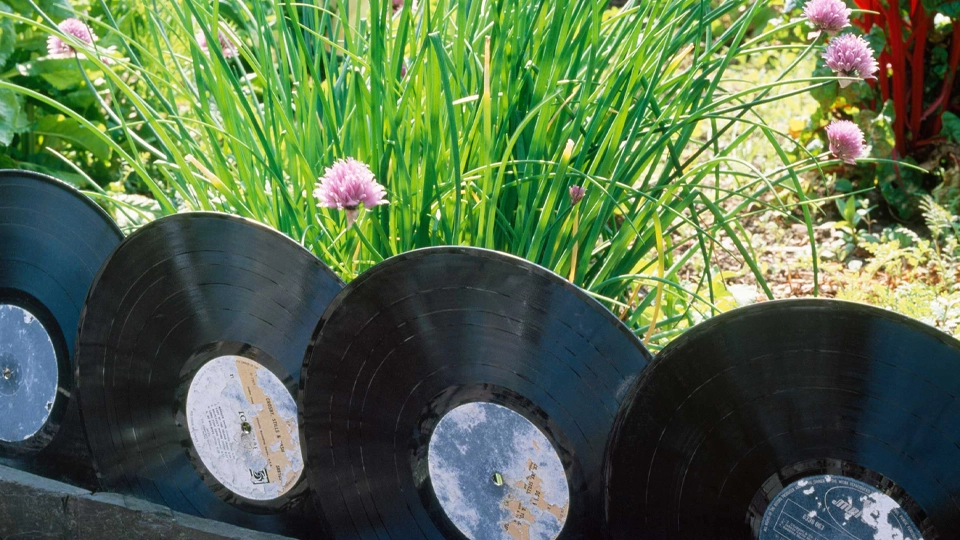
- Vintage or patinaed hardscaping complements these tones, along with pastel ranunculus mixes.
- Serviceberry trees provide food for birds and insects while yielding fruits for human consumption.
- Sunset Magazine highlights designing gardens with pets in mind, avoiding toxic plants like azaleas and rhododendrons.
Interest in home fruit growing is expanding beyond common varieties to native options like pawpaws and serviceberries, which offer snacks, culinary uses, and wildlife benefits.
The ASPCA maintains a list of toxic and non-toxic plants to guide safe selections. Shady areas and water features further enhance pet enjoyment. These trends blend environmental responsibility with personal expression, potentially influencing how homeowners approach outdoor spaces in the coming year. How do you see these developments shaping your own gardening efforts?