Keeping Bird Baths Accessible Year-Round
Bird baths serve as vital water sources for overwintering species like chickadees, juncos, and cardinals, which remain in backyards despite dropping temperatures. With only 2 to 3 inches of water typically recommended in these shallow basins, freezing can occur rapidly when conditions dip below 32 degrees Fahrenheit, limiting access to fresh water during scarce winter months. For gardeners in regions with moderate cold spells rather than prolonged deep freezes, simple do-it-yourself insulation techniques offer an effective, low-cost solution to maintain thawed water without the need for electric heaters. This approach not only supports local wildlife but also enhances year-round birdwatching enjoyment. By insulating the bath, homeowners can ensure a consistent supply of liquid water, which is often harder to find in icy landscapes compared to food sources like seeds or suet.
Ground Placement and Basic Insulation Strategies
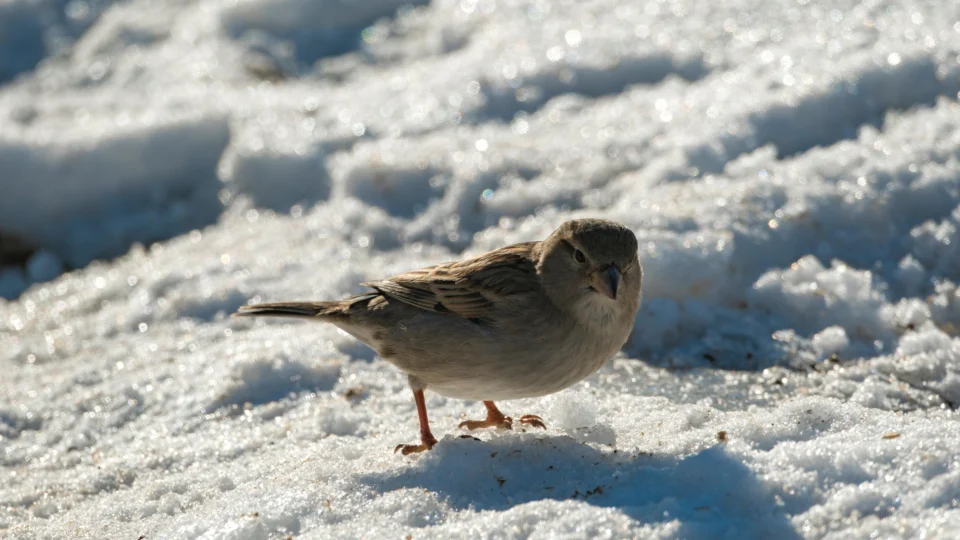
Positioning the bird bath directly on the ground rather than a pedestal helps shield it from cold air currents rising from below, slowing the freezing process. Many ground-foraging birds, such as sparrows and doves, readily adapt to this setup without hesitation. To further insulate:
- Place foam board or loose straw beneath the bath to create a barrier against heat loss from the soil.
- Surround the sides with bubble wrap, frost blankets, or similar materials, akin to protecting potted plants from winter chill.
- Allow a light layer of snow to accumulate around the base, as it acts as a natural insulator against extreme low temperatures.
These methods leverage everyday household items, making them accessible for anyone maintaining a winter garden.
Maximizing Sun Exposure and Maintenance Tips
Selecting a sunny location for the insulated bird bath promotes quicker melting of any partial ice formation, harnessing passive solar warmth even in shorter winter days. This strategic placement can extend the bath’s usability without additional energy input. Ongoing care remains essential:
- Refresh the water daily to prevent stagnation and bacterial growth.
- Clean the basin regularly using mild, natural methods to keep it hygienic for visiting birds.
By combining insulation with routine upkeep, gardeners can sustain a welcoming habitat through the season’s coldest periods. As climate patterns shift, these adaptable DIY practices could play a growing role in supporting urban and suburban wildlife resilience—what might this mean for fostering biodiversity in increasingly variable winters?
Fact Check
- Bird baths typically hold 2 to 3 inches of water, which freezes quickly in sub-freezing temperatures, affecting overwintering birds like chickadees, juncos, and cardinals.
- Ground-level placement protects the bath’s underside from cold air, and birds such as sparrows continue to use it effectively.
- Insulation options include foam board or straw underneath, plus bubble wrap or frost blankets on the sides, with snow providing additional natural protection.
- Sunny spots aid in melting ice, while daily water changes and regular cleaning are necessary for maintenance.
- These techniques suit moderate winter climates, avoiding the need for heated baths in areas with brief freezes.