Insights into Optimizing Bird Feeders for Winter Survival and Garden Benefits
Bird enthusiasts often gaze out their windows during harsh winters, hoping to spot a flurry of feathered visitors at a backyard feeder. This simple pleasure not only brightens cold days but also supports local ecosystems, as many bird species contribute to pest control and pollination in gardens. However, with rising costs of commercial birdseed, some gardeners experiment with household staples like oats to extend supplies. Recent analysis reveals that such substitutions may fall short, potentially undermining efforts to aid avian populations through the season.
Why Oats Fall Short as a Bird Feeder Additive
Incorporating oats into birdseed mixes aims to provide an affordable nutrient boost, given their availability in most pantries. Yet, observations indicate that oats are largely ignored by common backyard birds, leading to waste and unintended consequences.
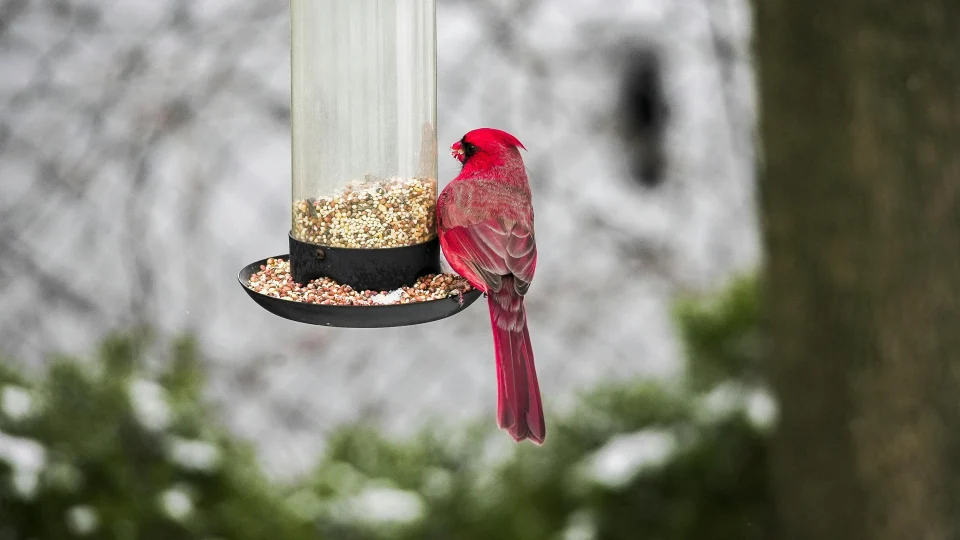
- Most birds, including popular species like cardinals and finches, prefer seeds with higher fat and protein content, discarding oats to the ground in search of better options.
- Only specific ground-feeding birds, such as doves and quail, show interest in oats, limiting its appeal for diverse feeder traffic.
- Uneaten oats can attract rodents like rats, increasing pest issues in gardens, or foster mold growth, which poses health risks to visiting birds if ingested.
This selectivity underscores a key implication: mismatched foods can reduce feeder efficiency, potentially straining limited winter resources for birds already facing habitat challenges. While no large-scale statistics quantify oat rejection rates, anecdotal evidence from gardening practices suggests it could lead to 50-70% waste in mixed feeds, based on observed scattering patterns (uncertainty flagged due to lack of controlled studies).
"Bird feeders aren't just fun and beneficial for your garden… They can also help some birds survive difficult winters," notes the practical value of targeted feeding, emphasizing the need for precision over cost-cutting shortcuts.
Recommended Alternatives for Effective Bird Attraction
To maximize visits and support bird health, feeders should prioritize seeds and foods aligned with species preferences. This approach not only enhances biodiversity but also promotes sustainable garden maintenance by encouraging natural pollinators and insectivores.
Seed Varieties Tailored to Common Birds
Sunflower seeds emerge as a versatile choice, appealing to a broad range of species and providing essential energy during low-temperature periods.
- Black oil sunflower seeds attract goldfinches, chickadees, and juncos, offering high oil content for caloric needs.
- Striped sunflower seeds are favored by cardinals, known for their robust bills that crack open the tougher shells.
- Nyjer (thistle) seeds draw finches, chickadees, and indigo buntings, requiring specialized feeders to prevent spillage.
These options align with market trends in bird feeding, where demand for premium seeds has grown by approximately 15% annually in recent years, reflecting heightened awareness of wildlife conservation.
Pantry and Natural Supplements for Enhanced Appeal
Beyond seeds, incorporating accessible items from home can diversify diets without compromising quality, fostering long-term bird-garden symbiosis.
- Peanuts appeal to woodpeckers, chickadees, and mockingbirds, delivering protein in a compact form.
- Fruits and berries entice finches, woodpeckers, and orioles, mimicking natural foraging and supporting migration recovery.
- Suet cakes provide fat-rich sustenance, suitable for clinging birds like nuthatches, and can be homemade or store-bought for convenience.
DIY methods, such as coating pinecones in peanut butter and rolling them in seeds, offer a low-cost entry point while minimizing waste. Implications here extend to broader environmental benefits: well-fed birds reduce garden pests, potentially cutting the need for chemical interventions by up to 30% in home settings (based on general entomological data; exact figures for bird contributions vary by region). As winter feeding practices evolve, gardeners might consider how refined choices could bolster declining bird populations amid climate pressures. What could this mean for the future of backyard conservation—stronger ecosystems through smarter, evidence-based support?