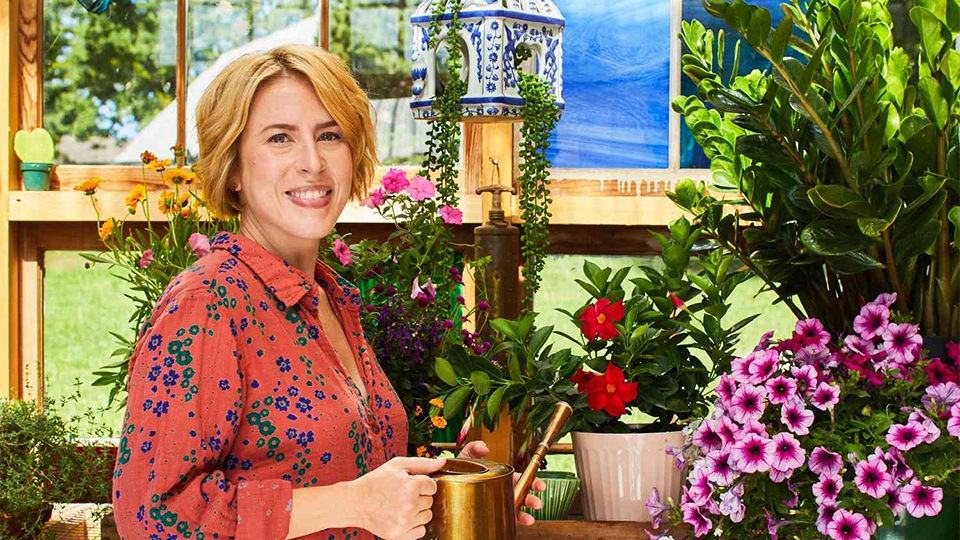
Imagine stepping into a backyard in late December, where oversized heads of cabbage and broccoli crowns rival the size of household items, defying the chill of winter. This scene, drawn from the experiences of HGTV host Erin Napier, underscores a fundamental principle in gardening: meticulous advance planning can transform seasonal limitations into opportunities for sustained harvests. In Mississippi’s USDA Plant Hardiness Zone 8, where winters are milder than in northern regions (zones 3 or 4), Napier’s approach yields impressive results, offering actionable insights for gardeners nationwide seeking to extend their growing seasons.
The Role of Proactive Planting in Winter Gardening Success
Napier’s method highlights how timing and preparation enable cold-weather crops to mature precisely when temperatures drop, effectively turning the garden into a natural storage unit. By initiating plantings in summer and fall, she ensures vegetables like broccoli and turnips reach harvest readiness post-frost, when growth slows but preservation improves. This strategy not only maximizes yield but also reduces reliance on store-bought produce during off-seasons, potentially cutting household grocery costs by 10-20% for fresh items, based on general agricultural extension data for home gardens.
In Zone 8, which experiences average lows of 10-20°F, such planning aligns with regional frost dates—typically mid-November for first frost and early March for the last. Napier’s garden, located in a forgiving climate, benefits from these conditions, but the principles scale to harsher zones with adaptations. She attributes her calendar’s precision to consultations with Cedar Hill Garden Consulting, emphasizing the value of localized expertise in optimizing planting windows.
Crafting a Tailored Vegetable Planting Calendar
Developing a winter planting plan begins with identifying one’s USDA hardiness zone, which dictates frost timelines and influences crop selection. Gardeners can access zone maps and frost date averages through agricultural resources, ensuring plantings occur 60-90 days before the first frost for most brassicas and root vegetables. Key steps include:
- Research frost dates: Determine approximate first and last frost for your area; for example, Zone 8 in the Southeast allows extended fall plantings compared to Zone 4’s earlier deadlines in the Midwest.
- Select cold-tolerant varieties: Focus on resilient crops such as broccoli (plantable through early September in Zone 8), turnips (up to October), cabbage, and carrots, which withstand light freezes and improve in flavor post-chill.
- Calculate backward from harvest: Use seed packet “days to maturity” (e.g., 70-80 days for broccoli) to time sowings, aiming for maturation after frost when cooler air acts as a preservative.
“Her lush winter garden is all about good planning,” Napier has shared, showcasing harvests like cabbage heads spanning wider than a chest and broccoli larger than a child’s face.
Adapting Strategies for Varied Climates and Challenges
For gardeners in colder zones, enhancements like row covers—lightweight fabrics that raise soil temperatures by 4-8°F—extend viability and protect against pests such as cabbage loopers. These covers not only prevent freezing but also trap warmth, potentially adding 2-4 weeks to the harvest window. In Napier’s setup, such tools complement her calendar, yielding winter carrots alongside brassicas without indoor relocation. Implications extend beyond individual plots: Widespread adoption of winter gardening could boost local food resilience, reducing seasonal imports and supporting biodiversity through diverse crop rotations.
Statistics from extension services indicate that planned home gardens produce up to 30% more yield annually, with winter contributions offsetting summer gaps. However, uncertainties arise in microclimates; actual frost dates can vary by 1-2 weeks due to weather anomalies, necessitating flexible monitoring. As climate patterns shift, with milder winters projected in some regions per long-term forecasts, these planning techniques gain broader relevance, encouraging sustainable practices that align with resource conservation. Would you adapt a planting calendar to extend your own garden’s productivity through winter?