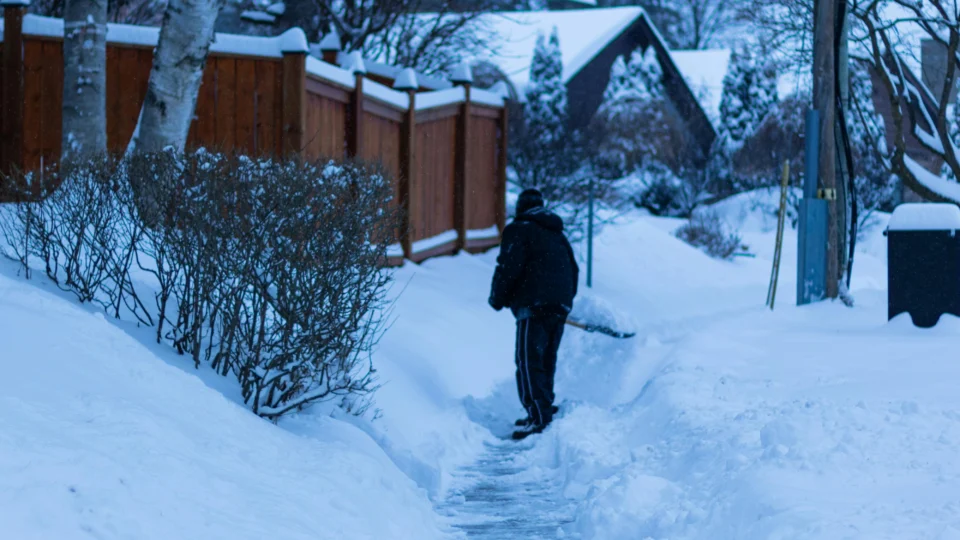
Imagine the bite of winter chill as you laboriously clear your driveway, only to run out of space for the mounting snow piles. In a moment of frustration, you push the excess into the street, assuming the morning plow will handle it. But this common shortcut could land you a hefty fine, depending on local rules.
Understanding the Hazards and Regulations of Snow Removal
Winter snow removal is a necessity for homeowners in snowy regions, but improper disposal practices can lead to safety issues and legal penalties. While many states lack statewide laws on snow shoveling, local municipal ordinances often regulate where snow can be placed. Shoveling snow from private property like yards or driveways directly into public roads or sidewalks is generally discouraged and can result in warnings or fines. This practice contributes to ice buildup on roads, which increases the risk of accidents, and creates traffic obstructions that endanger drivers and pedestrians. Key concerns include:
- Ice Formation: Piled snow in streets can melt and refreeze, creating slippery hazards.
- Obstruction Risks: Added snow can block visibility or lanes, complicating travel during peak winter conditions.
- Public Safety Impact: Such actions exacerbate the challenges faced by snowplow operators and emergency services.
Even in areas without explicit snow-dumping bans, these practices are viewed as poor stewardship of public spaces, potentially leading to broader societal issues like increased accident rates during storms.
Fines and Enforcement in Major Cities
Local governments in snow-prone areas enforce strict rules to maintain clear roadways. For instance, in Boston, violators who shovel snow into streets or sidewalks may face fines ranging from $100 to $150, scaled by the amount of snow displaced. Syracuse imposes a flat $100 penalty per violation, reflecting its reputation for heavy snowfall. In Chicago, penalties can escalate significantly, from $50 for minor infractions up to $500 for repeated or substantial offenses. These fines underscore a patchwork of regulations across municipalities, where enforcement might involve citations from local code officers or public works departments. Homeowners should check their city or county guidelines, as violations are often spotted during routine inspections or complaints from neighbors. Note that while these examples highlight common penalties, exact amounts can vary by jurisdiction and are subject to updates; uncertainties exist in less-documented rural areas where enforcement may be laxer.
Best Practices for Safe Snow Storage on Your Property
To avoid fines and hazards, store shoveled snow entirely on your own property. Piling it on the lawn or in side yards provides a safe, natural disposal method, allowing the snow to melt gradually and enrich the soil—often referred to as nature’s fertilizer for gardens. Recommended strategies include:
- Even Distribution: Pile snow evenly along the sides of your driveway to prevent uneven weight on structures or plants.
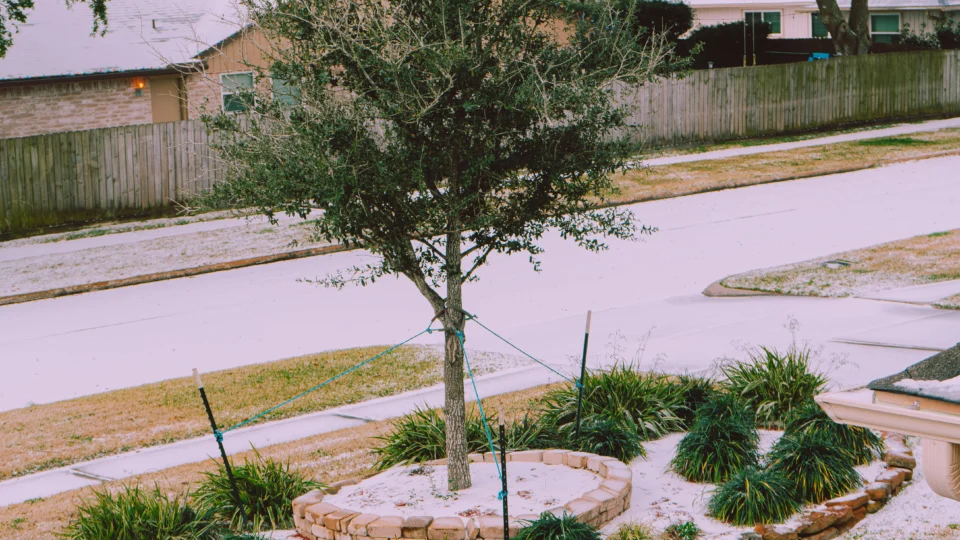
- Protecting Landscape Features: If shrubs are nearby, take precautions to shield them from heavy snow loads, which could damage branches. Methods might involve staking or wrapping, though specifics depend on plant type.
- Plow-Aware Placement: Snowplows typically push snow to their right. When facing the street, position main piles to the right of your driveway and clear a space on the left to accommodate plow-displaced snow, minimizing re-accumulation.
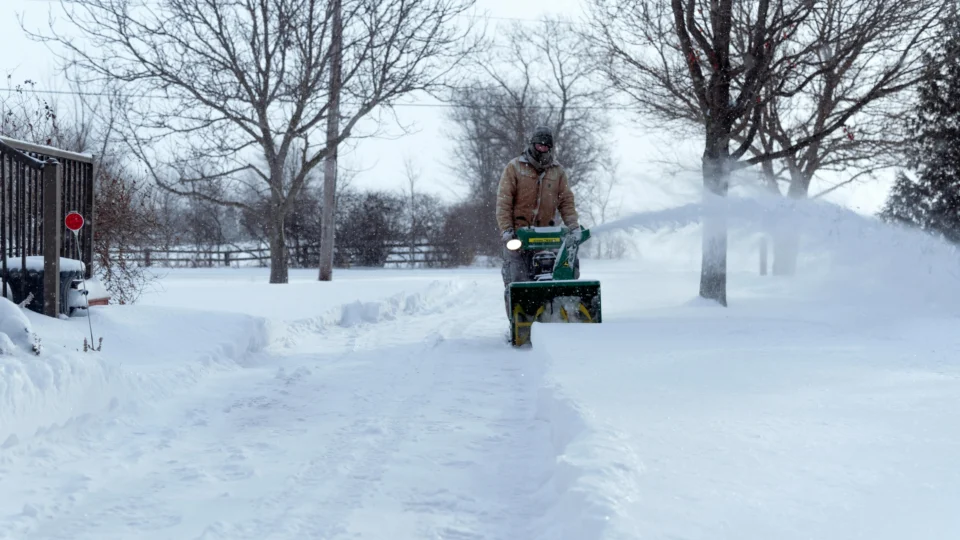
For severe storms overwhelming personal efforts, hiring a professional snow removal service is advisable. This ensures compliance and reduces physical strain, particularly as winter weather patterns may intensify in coming years. As climate trends suggest more frequent and heavier snowfalls, homeowners must prioritize informed practices to safeguard both their property and community safety. What adaptations might you make to your winter routine to stay on the right side of the law and promote safer neighborhoods?
Fact Check
- Municipal ordinances in cities like Boston impose fines of $100 to $150 for shoveling snow into streets or sidewalks, depending on volume.
- Syracuse enforces a $100 fine per violation for improper snow dumping.
- Chicago’s penalties for snow removal infractions range from $50 to $500.
- Storing snow on personal property, such as lawns or driveway sides, is recommended to avoid hazards like ice buildup and traffic issues.
- Snowplows push snow to their right, so strategic piling helps prevent driveway re-snowing.