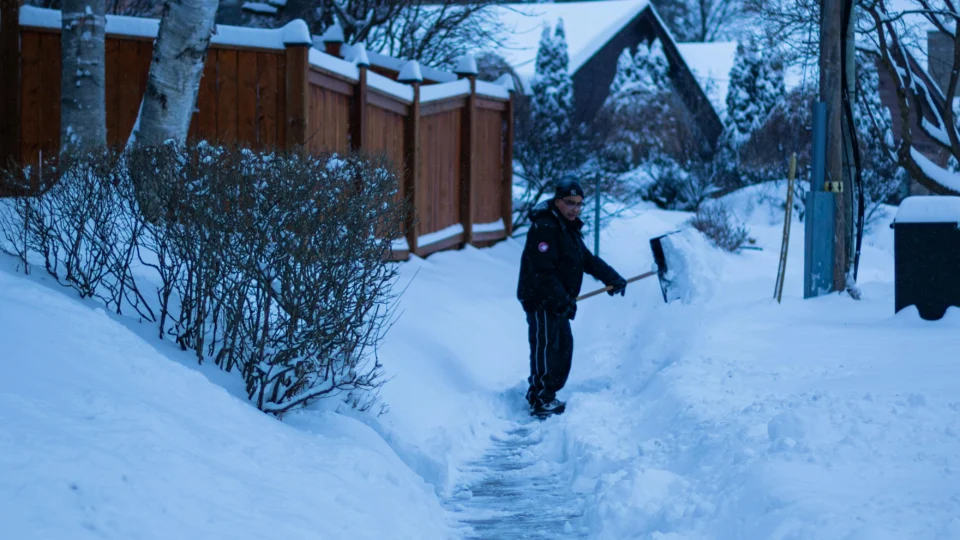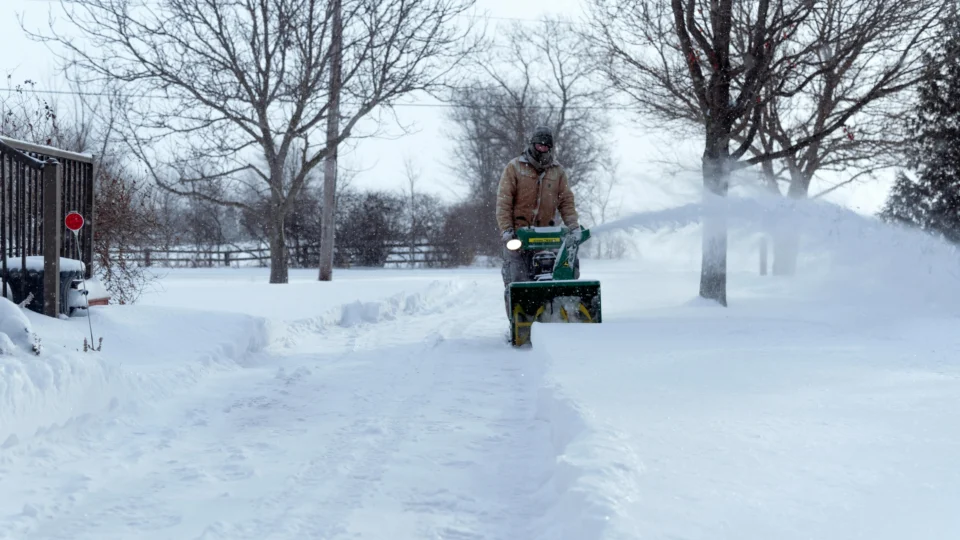
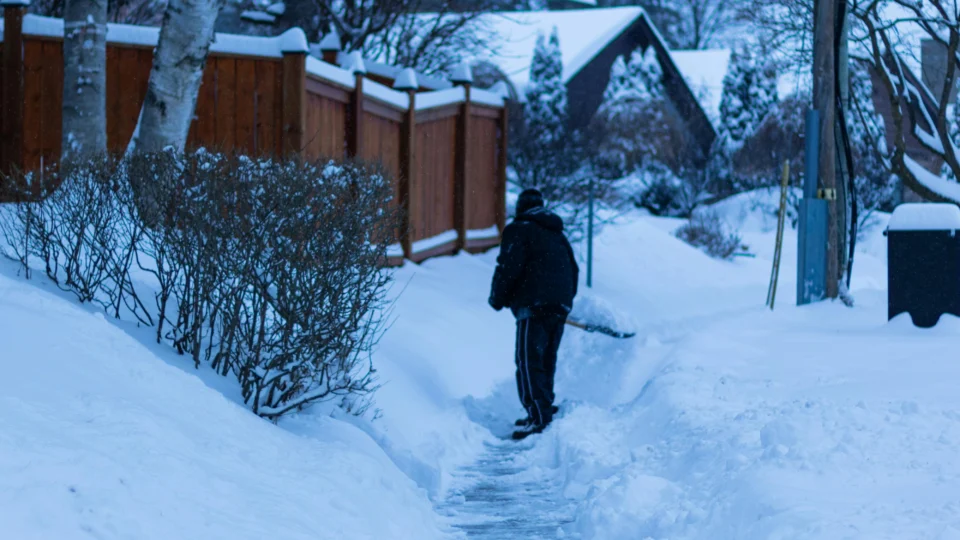
Have you ever rushed through snow removal on a freezing day, tempted to push the piles right into the street for a quick fix?
Understanding the Legal Pitfalls of Improper Snow Disposal
Winter snowfalls bring the chore of clearing driveways and walkways, but what seems like a harmless shortcut—shoveling snow from your yard directly into the road—can lead to unexpected penalties. While many states lack overarching laws on snow removal practices, local municipal ordinances often regulate how and where snow can be placed. Violating these rules not only risks fines but also contributes to hazardous conditions like ice buildup and traffic disruptions, endangering public safety. In areas with heavy snowfall, cities enforce strict guidelines to maintain clear roadways. For instance, improper snow dumping can obstruct sidewalks or streets, prompting swift enforcement actions. Homeowners may receive warnings for minor infractions, but repeated or significant violations escalate to monetary penalties. This issue highlights broader societal impacts, as unchecked snow placement exacerbates winter accidents and strains municipal resources for cleanup and plowing.
Fines and Enforcement in Major Snow-Prone Cities
Local regulations vary widely, with fines tailored to the severity and volume of snow displaced. Key examples include:
- Boston: Penalties range from $100 to $150, depending on the amount of snow pushed into streets or sidewalks.
- Syracuse: A flat fine of $100 per violation, reflecting the city’s notorious winter weather challenges.
- Chicago: Fees can span $50 to $500, allowing flexibility for minor versus major offenses.
These measures aim to prevent obstructions that could lead to accidents, emphasizing the importance of community compliance during storms. Even in locales without explicit snow-dumping laws, general ordinances against public nuisances apply, potentially resulting in citations for creating unsafe conditions.
Safe and Effective Snow Storage Strategies
To avoid fines and protect your property, store shoveled snow on your own land rather than public areas. Piling it evenly on your lawn, side yard, or along driveway edges keeps it contained and compliant. Snow acts as a natural insulator and nutrient source for gardens—often called “poor man’s fertilizer”—benefiting soil health over time. Consider these practical tips for managing snow piles:
- Protect nearby plants: If shrubs are close to pile locations, reinforce them to prevent branch breakage from added weight.
- Anticipate plow paths: Snowplows typically push snow to their right; position main piles to the right of your driveway (when facing the street) and leave space on the left for plow-displaced snow.
- Seek professional help: For severe storms overwhelming your capacity, hire a snow removal service to handle excess accumulation safely.
By following these methods, homeowners can minimize refreezing issues and maintain accessibility without legal repercussions. As winter persists, how might adjusting your snow removal routine safeguard both your wallet and your neighborhood’s safety?
Fact Check
- Municipal ordinances in cities like Boston impose fines of $100-150 for shoveling snow into streets or sidewalks based on volume.
- Syracuse enforces a $100 fine per violation for improper snow disposal amid heavy snowfall conditions.
- Chicago’s penalties for snow dumping range from $50 to $500, targeting hazards like ice buildup and traffic obstructions.
- Storing snow on personal property, such as lawns or driveway sides, is recommended to avoid fines and support garden health.
- Snowplows push accumulations to their right, influencing optimal driveway clearing strategies.