Transforming Garden Clutter into Organized Spaces
In an era where homeowners are increasingly embracing sustainable and cost-effective gardening practices, simple DIY solutions are gaining popularity for maintaining tidy outdoor areas. A cluttered garden hose not only detracts from the aesthetic appeal of patios and yards but also poses practical challenges, such as reduced water flow and premature wear. By repurposing an everyday item like an oversized planter, gardeners can create an effective storage system that promotes organization and longevity for their equipment. This approach aligns with broader trends in eco-friendly home maintenance, where reusing household items reduces waste and expenses associated with commercial alternatives.
The Drawbacks of Neglected Hose Storage and Long-Term Savings
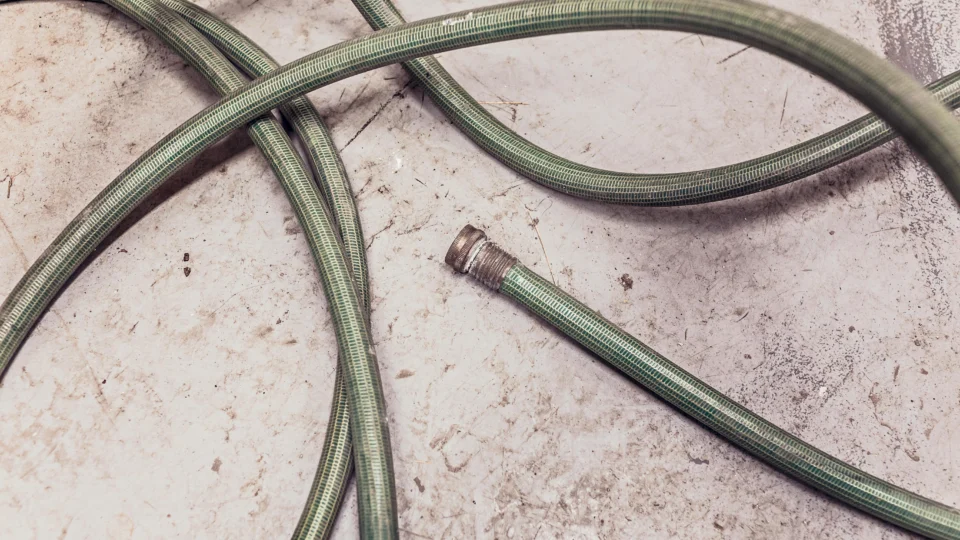
Leaving a garden hose in a tangled heap on a patio or lawn can lead to several issues that affect both functionality and durability. Reduced water pressure from kinks means less efficient watering, while tears and leaks from improper coiling can shorten the hose’s lifespan significantly. Proper storage mitigates these problems, ensuring the hose remains protected and ready for use, which ultimately saves money over time. Commercial hose storage options, such as decorative pots or bins, often come at a premium—some models retailing for around $80. In contrast, repurposing an existing planter offers a budget-friendly alternative without compromising on effectiveness. This method not only hides the hose from view but also integrates seamlessly into garden designs, enhancing overall curb appeal. Key benefits include:
- Prevention of tangles and kinks that obstruct water flow.
- Extended hose durability by avoiding physical damage from exposure.
- Aesthetic improvement, turning potential eyesores into concealed features.
- Cost efficiency, leveraging items already available in many households.
Step-by-Step Guide to Creating Your Planter Hose Holder
Inspired by home DIY enthusiasts, converting a planter into a hose storage container is a straightforward project requiring minimal tools and effort. Select a planter that is at least 14 to 15 inches wide and not overly tapered at the base to allow easy coiling of the hose inside. The process emphasizes practicality and ease of access for everyday gardening tasks. To build the holder:
- Measure the diameter of your garden hose to determine the appropriate size for the entry hole—typically around one inch or slightly larger to accommodate the coupling.
- Position the planter on its side and use a drill with a hole saw bit to create the opening near the bottom, ensuring it aligns with your outdoor faucet location.
- Place the planter near the faucet, thread the hose coupling through the hole, and connect it as usual.
- Coil the remaining hose length inside the planter for storage; the sprayer end remains accessible from the top for quick retrieval.
For optimal results, position the planter in a shaded, sheltered area to shield the hose from direct sunlight, which can cause fading or degradation. Always drain all water from the hose before storing to prevent mold or freezing damage in colder climates. This setup allows for effortless use—simply pull out the sprayer when needed and return the hose neatly afterward. Would you try this DIY method to streamline your garden care routine?
Fact Check
- Tangled hoses can reduce water pressure and lead to tears, leaks, and a shortened lifespan, emphasizing the value of organized storage.
- Commercial hose storage like a copper pot can cost nearly $80, making DIY repurposing a more economical choice.
- Planters for this project should be at least 14-15 inches wide and not too tapered to fit coiled hoses comfortably.
- The DIY involves drilling a hole about one inch in diameter near the planter’s bottom for the hose coupling.
- Storing hoses in shaded spots and draining water beforehand helps protect against sun damage and moisture issues.