Celebrity Influence on Modern Garden Design
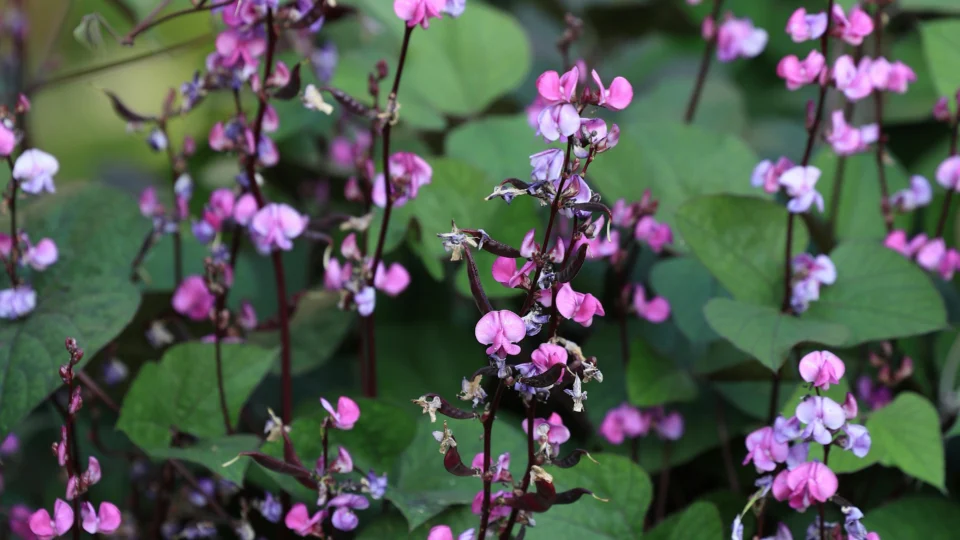
In an era where home gardening has surged in popularity, driven by social media and television shows, figures like HGTV star Joanna Gaines continue to shape trends in sustainable and aesthetically pleasing outdoor spaces. Gaines, known for her work on the series Fixer Upper alongside her husband Chip, recently highlighted a custom-built trellis in her Waco, Texas garden that showcases hyacinth bean vines. Featured in season 5, episode 12 titled “Chip and Jo’s Family Garden Project,” this simple yet elegant structure demonstrates how everyday materials can elevate plant displays, encouraging homeowners to blend functionality with visual appeal in their own yards. The design emphasizes the use of fast-growing climbing plants like hyacinth beans (Lablab purpureus), which are annuals in USDA Hardiness Zones 9 and lower. In Gaines’ zone 8b location, these vines produce lush green leaves, striking purple stems, and vibrant blooms that fully obscure the trellis once established, creating a natural privacy screen or focal point.
Constructing a Similar Teepee Trellis
Gaines’ trellis is a straightforward DIY project that relies on basic materials to support vining plants. The process begins with selecting four sturdy wooden posts, ideally cedar for its natural beauty and durability, though more budget-friendly options like Douglas fir can substitute. Avoid pressure-treated wood if intending to grow edible plants nearby due to potential chemical leaching. To assemble:
- Angle the posts inward to form a teepee shape.
- Secure them together at the top using lashings or ties.
- Optionally, wrap twine around the posts from top to bottom to provide additional climbing support.
As the vines grow, gently train them around the framework. This method not only promotes healthy plant development but also adds a rustic charm to garden beds or patios. The structure’s simplicity makes it accessible for beginners, requiring no advanced tools or skills.
Tips for Successfully Growing Hyacinth Beans
Hyacinth beans thrive with minimal intervention, making them ideal for novice gardeners seeking low-maintenance climbers. They require well-draining soil, so amend heavy or clay soils with compost to prevent waterlogging. Position the plants in a full-sun spot receiving at least six hours of direct sunlight daily to encourage robust growth and flowering. Key planting guidelines include:
- Sow seeds directly after the last spring frost, burying them approximately 1/2 inch deep (exact depth noted as standard practice, though specifics may vary by soil type).
- As nitrogen-fixing legumes, they need little fertilizer compared to other crops, reducing maintenance costs and environmental impact.
- Expect blooms that attract butterflies and hummingbirds, enhancing garden biodiversity.
However, these plants can draw deer, so consider protective measures like a double fence around the planting area. Once mature, the vines’ dense foliage and purple flowers create a stunning, fully covered effect, hiding the trellis entirely. In the broader context of gardening trends, Gaines’ approach underscores the growing interest in vertical gardening solutions that maximize small spaces while promoting eco-friendly practices. Homeowners inspired by such designs report increased enjoyment of outdoor areas, with potential societal benefits like reduced urban heat through added greenery. Would you incorporate a teepee trellis like Gaines’ into your garden to support climbing vines?
Fact Check
- Joanna Gaines featured a custom teepee trellis for hyacinth bean vines in Fixer Upper season 5, episode 12, using cedar posts lashed at the top.
- Hyacinth beans (Lablab purpureus) are fast-growing annuals in USDA Zones 9 and below, suited to zone 8b in Waco, Texas, with purple stems and blooms.
- The plants require full sun (six hours minimum), well-draining soil amended with compost, and direct sowing after last frost at about 1/2 inch deep.
- As nitrogen fixers, hyacinth beans need minimal fertilizer and attract pollinators like butterflies and hummingbirds but may require deer protection.