The Emerging Fertilizer Crisis Linked to Global Conflict
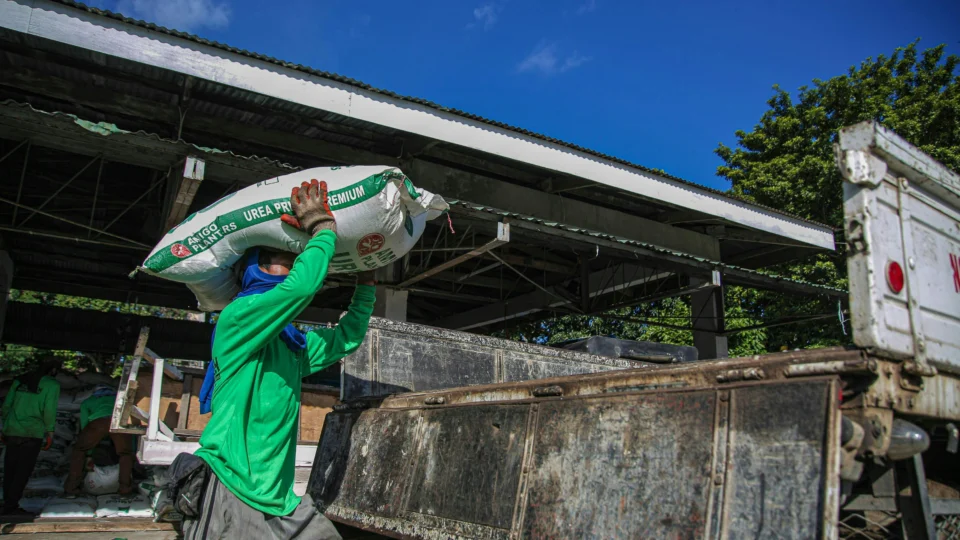
As the 2026 gardening season kicks off, a stark reality emerges: fertilizer costs are on track to climb higher than anticipated, driven by escalating geopolitical tensions. Roughly half of the world’s urea—a key component in nitrogen fertilizers—and one-third of global phosphorus production originate in the Middle East, regions now facing severe supply disruptions due to the ongoing war involving Iran. This surge in prices mirrors recent spikes in gasoline costs and stems directly from the conflict’s impact on vital trade routes. The Strait of Hormuz, a narrow waterway between Iran and Oman, serves as a critical chokepoint for shipments entering and exiting the Persian Gulf. Iran has vowed to block this strait in retaliation for airstrikes conducted by the United States and Israel, halting the flow of essential agricultural inputs to international markets. Additionally, several fertilizer production facilities in the Middle East have shuttered operations amid the violence, exacerbating shortages. Even though three-quarters of the fertilizer used in the United States is produced domestically, the ripple effects are already evident. Prices for imported urea have begun to increase, creating uncertainty about the full extent and duration of this crisis. While exact price hikes remain unclear—flagged here as an area of ongoing volatility—experts note that the situation could persist as long as the blockade and plant closures continue.
Global Agricultural Impacts and Food Security Concerns
The fertilizer shortage extends far beyond home gardens, posing significant threats to commercial farming worldwide. Farmers are voicing growing alarm over potential harvest reductions, which could drive up food prices globally and strain supply chains already burdened by the conflict. Key statistics highlight the vulnerability:
- Approximately 50% of global urea supply transits through the Strait of Hormuz.
- One-third of the world’s phosphorus fertilizers are produced in Middle Eastern countries affected by the disruptions.
- Domestic U.S. production covers 75% of national needs, but reliance on imports for the remainder leaves gaps exposed to international shocks.
These interruptions could lead to lower crop yields, particularly for nitrogen-intensive staples, amplifying food insecurity in vulnerable regions. The societal fallout includes heightened economic pressure on agricultural communities and potential inflationary effects on grocery bills, underscoring the interconnectedness of geopolitics and everyday sustenance.
Practical Strategies for Gardeners Facing Higher Costs
Home gardeners need not abandon their plots amid these challenges; instead, adapting with resource-efficient practices can sustain productivity. Gardening remains vital for personal food security, supporting local wildlife, and bolstering mental well-being, even as external pressures mount. To conserve fertilizer without sacrificing results, consider these approaches:
- Prioritize low-input crops: Opt for nitrogen-fixing plants like peas, which partner with soil bacteria to generate their own nutrients, over heavy feeders such as corn.
- Assess soil health: Conduct a soil test to determine existing fertility levels; many gardens may require no additional inputs, avoiding overuse that harms waterways and can even damage plants.
- Produce homemade alternatives: Start vermiculture or vermicomposting with worm bins to create nutrient-rich castings, or repurpose grass clippings as a natural nitrogen source.
By gardening more mindfully, individuals can mitigate costs and potentially achieve healthier long-term yields, turning a crisis into an opportunity for sustainable practices. What could this mean for the future of global agriculture? As conflicts disrupt essential supplies, the push toward localized, resilient farming methods may accelerate, reshaping how we approach food production in an increasingly unstable world.
Fact Check
- Half of the world’s urea, a vital nitrogen fertilizer element, is produced in the Middle East and relies on the Strait of Hormuz for export.
- One-third of global phosphorus fertilizers come from Middle Eastern facilities now impacted by war-related closures.
- Iran has threatened to blockade the Strait of Hormuz in response to U.S. and Israeli airstrikes, affecting key shipping lanes.
- Three-quarters of U.S. fertilizer is domestically sourced, yet imported urea prices are already rising due to the conflict.
- Over-fertilization risks environmental damage to waterways and plant health, supporting the value of soil testing and conservation.