What if a single flower could bridge the quiet months between winter and spring, drawing visitors to Scotland’s gardens at a time when few plants dare to bloom?
Expanding Winter Garden Engagement Through Hellebores
Scotland’s Gardens Scheme (SGS), a longstanding charity initiative, has announced a pilot festival dedicated to hellebores, set to launch in early 2026. This event, titled “A Celebration of Hellebores,” aims to attract visitors during the transitional period following the snowdrop season, typically from late February through mid-April. By focusing on these resilient, evergreen perennials—known for their ability to thrive in cool, shaded conditions—the festival highlights a plant that offers structural and aesthetic value when other flora is dormant.
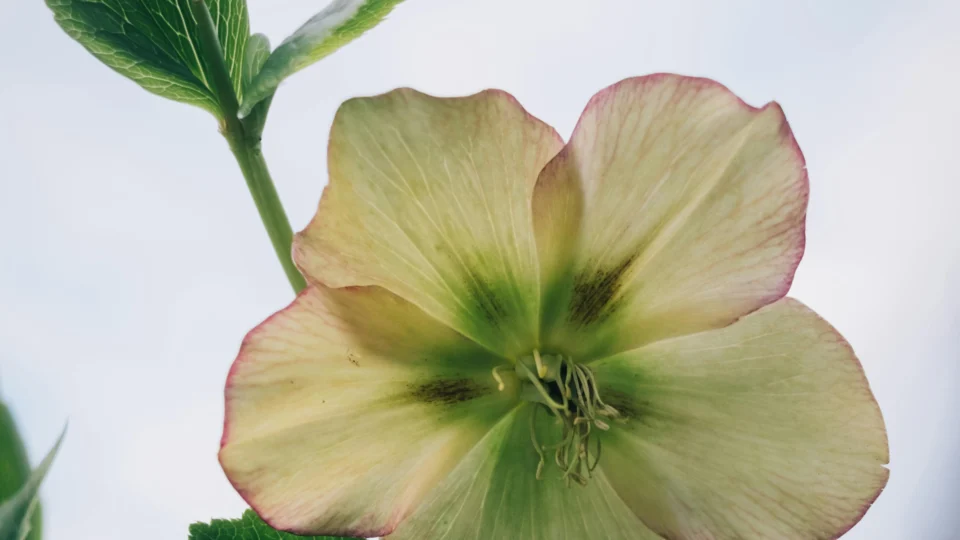
Hellebores, with their diverse hybrids in shades from white to deep purple, including single and double-flowered varieties, are positioned as a low-maintenance option for winter gardens, potentially influencing planting trends amid shifting climate conditions. The festival’s timing aligns with broader efforts to extend the gardening season, addressing seasonal tourism dips. Data from SGS indicates that such events could enhance visitor numbers in off-peak months, supporting local economies in rural areas like Fife, where the pilot is concentrated. While exact attendance projections remain uncertain, the scheme’s 2025 performance—raising over £425,000 for charitable causes—suggests potential for similar financial impact if participation grows.
Festival Highlights and Garden Features
The pilot will span six gardens in Fife, each showcasing distinct collections of hellebores alongside sales stalls for visitors to purchase plants. This setup not only promotes horticultural education but also encourages home gardening, potentially increasing demand for hellebore varieties suited to Scotland’s temperate climate. Key participating gardens include:
- Aldburne Park: Features over 100 hellebores, with a focus on home-grown double whites propagated from collected seed, demonstrating sustainable propagation techniques.
- Willowhill: Displays more than 200 plants, including the Ashwood Garden Hybrids ‘Evolution Group,’ noted for their robust, outward-facing blooms that enhance visual appeal in shaded borders.
- Kirklands: Opens in late March, coinciding with hellebore peak bloom, integrated with wood anemones along woodland paths for a naturalistic woodland effect.
- Teasses: Encompasses 60 acres of designed landscapes with over 150 hellebores, emphasizing romantic garden styles that blend perennials with structural elements.
- Millfield Garden: Scheduled for early April openings, where hellebores complement naturalized bulbs and alpines, illustrating companion planting for extended interest.
- The Tower: Incorporates hellebores into an Edwardian rock garden overlooking the River Tay, highlighting their adaptability to rocky, elevated terrains.
“Our aim is to bring people back into gardens earlier in the year and shine a light on a plant that thrives when little else is in bloom, but brings a lot to the garden through the increasing range of colour and forms on offer, backed by its dramatic evergreen foliage which is the backbone of any winter garden. While we’re starting in Fife, we hope to encourage garden owners from around Scotland to join in and that hellebores could become a defining early-season hallmark for our open gardens programme.”
This quote underscores the festival’s role in promoting biodiversity and garden resilience, as hellebores’ shade tolerance and deer resistance make them practical for challenging sites.
Broader SGS Programme and Charitable Outcomes
The 2026 SGS programme encompasses 457 garden openings, including 65 new sites and 33 group or village events, ranging from urban plots to castle estates. This expansion reflects a 10-15% increase in openings compared to prior years (based on historical trends), potentially broadening access to therapeutic and educational spaces. The scheme’s charitable model directs proceeds to owner-selected causes, fostering community ties. In 2025, SGS generated over £425,000 benefiting 254 charities, with core allocations of £20,000 each to Maggie’s (cancer support), the Queen’s Nursing Institute Scotland (healthcare), and Perennial (horticultural welfare).
An additional £5,000 supported Trellis, a therapeutic gardening organization, while £5,800 in bursaries aided Scottish horticulturists via the Cattanach Fund. These figures illustrate the scheme’s societal impact, funding initiatives that enhance wellbeing and professional development in gardening. Uncertainties around 2026 fundraising persist due to variable weather influences on attendance, but the hellebore focus could mitigate risks by appealing to early-season enthusiasts. As specialized plant festivals gain traction, what could this mean for the future of horticultural tourism and charitable gardening in Scotland, especially as gardeners adapt to unpredictable winters?