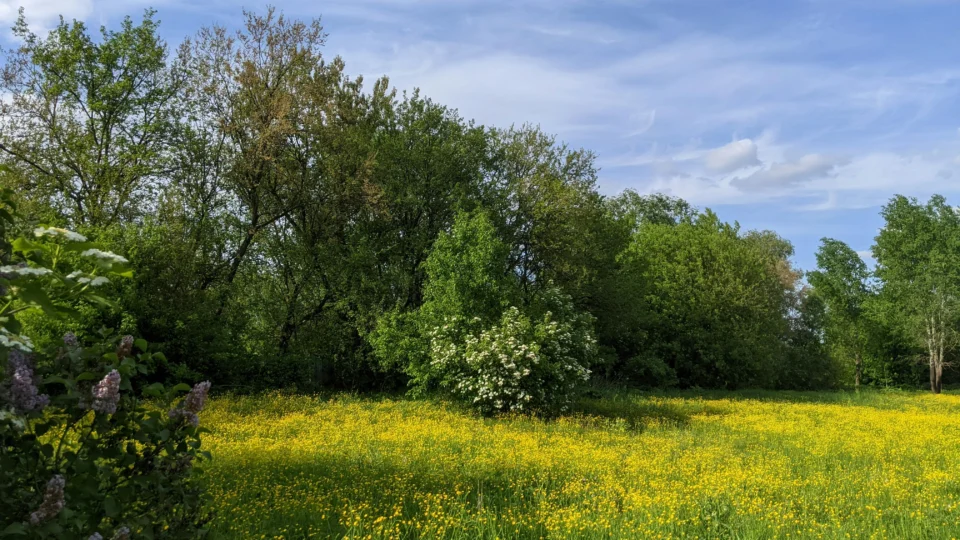
Imagine wandering through a secluded walled garden in the Scottish Borders, where centuries-old brick walls enclose vibrant herb beds and native wildflowers, offering a rare glimpse into private green spaces that support both biodiversity and community welfare. This scenario becomes reality for visitors in 2026, as Scotland’s Gardens Scheme (SGS) announces its annual programme, providing structured access to diverse gardens while channeling proceeds toward charitable causes.
Overview of the 2026 Programme
The SGS, a longstanding initiative that facilitates public visits to private and community gardens, has outlined 457 openings for the upcoming year. This includes 65 newly participating gardens and 33 group or village events, spanning a range of landscapes from compact urban plots to expansive castle estates. These openings underscore the scheme’s role in promoting horticultural diversity across Scotland, encompassing locations in regions like Fife, Orkney, the Scottish Borders, Angus, and Inverness-shire. Statistically, the programme reflects steady growth in participation, building on prior years’ expansions that have broadened geographic coverage and garden types.
The variety of sites highlights evolving trends in Scottish gardening, such as increased emphasis on community-driven and therapeutic spaces. Urban sanctuaries and wellbeing gardens, for instance, address urban density challenges by integrating green areas into hospital grounds or residential neighborhoods. Island and historic sites further illustrate adaptations to Scotland’s varied topography, potentially influencing regional tourism patterns tied to eco-friendly activities. While exact visitor numbers for 2026 remain unprojected, historical data suggests sustained interest, with implications for local economies through guided access fees averaging around £5-£10 per site.
Charitable Impact and Financial Outcomes
In 2025, the SGS achieved a record fundraising total of over £425,000, distributed to 254 charities selected by garden owners. This figure represents a notable increase from previous years, demonstrating the scheme’s growing efficacy in mobilizing private philanthropy for public good. Core beneficiaries received targeted allocations: £20,000 each to Maggie’s (cancer support centers), the Queen’s Nursing Institute Scotland (rural healthcare), and Perennial (horticultural welfare). An additional £5,000 went to guest charity Trellis, focused on therapeutic gardening, while £5,800 in bursaries supported Scottish horticulturists through the Cattanach Fund.
These contributions highlight the societal ripple effects of garden openings, including enhanced funding for health-related green initiatives and professional development in horticulture. The scheme’s model—where admission fees directly benefit owner-chosen causes—fosters community ties and could inspire similar programs elsewhere, potentially amplifying Scotland’s position in the UK’s £5 billion green economy vision for horticulture. No uncertainties are noted in these financials, as they align with audited annual reports.
“Every garden that opens with Scotland’s Gardens Scheme is an act of generosity. Their owners are sharing beauty, raising vital funds for charity and showing the powerful role gardens and green spaces can play in bringing people together,” said Liz Stewart, Chief Executive of Scotland’s Gardens Scheme.
Key Highlights and Emerging Trends
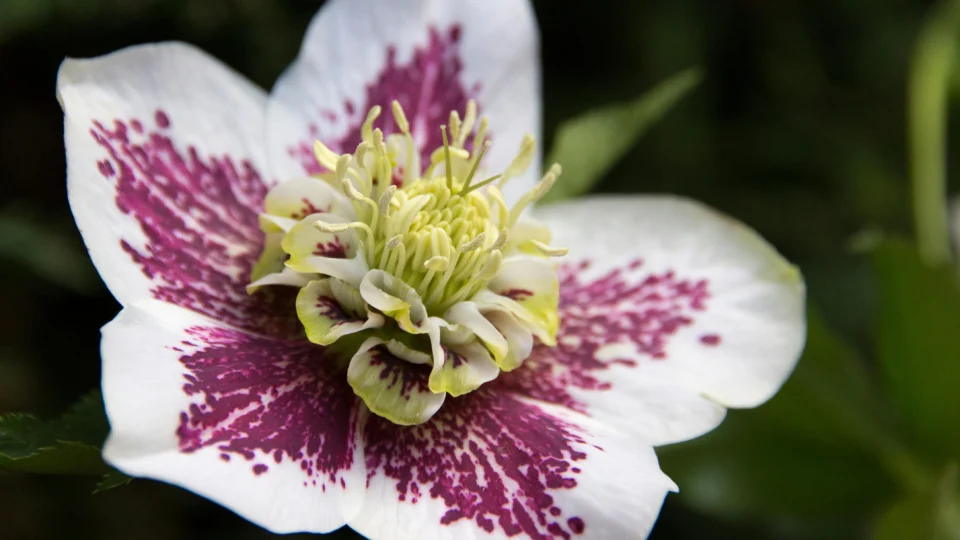
The 2026 lineup features specialized events and debut openings that signal trends toward seasonal plant-focused attractions and inclusive community involvement. A new hellebore festival, “A Celebration of Hellebores,” will run from late February to mid-April, capitalizing on the plant’s popularity in Scotland’s mild winters and potentially drawing early-season visitors to boost off-peak tourism. Notable openings include:
- Ninewells Community Garden and Maggie’s Centre Garden, Dundee: Debuting on May 23, these hospital-adjacent sites emphasize therapeutic landscapes, with implications for mental health support amid rising urban wellness demands.
- Fife Summer Trail: Three Fridays in May and June (22, 29 May; 5 June) showcasing lesser-visited gardens, promoting regional exploration and sustainable transport via clustered visits.
- Orkney’s Rousay Summer Garden Day: On July 4, featuring three island gardens, including the community school project with a wildlife pond and 20-year-old student-planted woodland, highlighting educational and conservation roles.
- Whitsome Village and Makerstoun Hamlet, Scottish Borders: First-time openings on July 5 and August 2, respectively, illustrating village-scale events that enhance rural social cohesion.
- Ashludie Wildflower Garden and St Bedes, Monifieth: Multiple dates in May-July, focused on biodiversity restoration to counter meadow loss, aligning with national pollinator strategies.
- Learmonth Place Garden, Edinburgh: June 6-7, a compact urban design previously featured in media, exemplifying space-efficient planting in city settings.
- Mercat Cottage, East Lothian: April opening, a 2025 award finalist using pots and borrowed views for extended interest, reflecting suburban wildlife integration trends.
- Foulis Castle, near Inverness: June 7 and July 5 debuts, covering eight acres including an arboretum and kitchen garden, adding historic estate access.
- Airlie Castle Gardens, Angus: Late August, with an 18th-century walled area and woodland walks, supporting fruit/vegetable cultivation education.
- Glenburn’s Walled Garden, Berwickshire: May 20, July 19, August 31, a one-acre Georgian-era site emphasizing enclosed heritage spaces.
- The Marcus Walled Garden, Dundee: June 7 debut near the River South Esk, surrounded by woodland.
- Poyntzfield Herb Nursery, Inverness: March-September (excluding Wednesdays) plus July 25, marking 50 years with over 400 herb varieties, indicating sustained interest in medicinal/aromatic plants.