
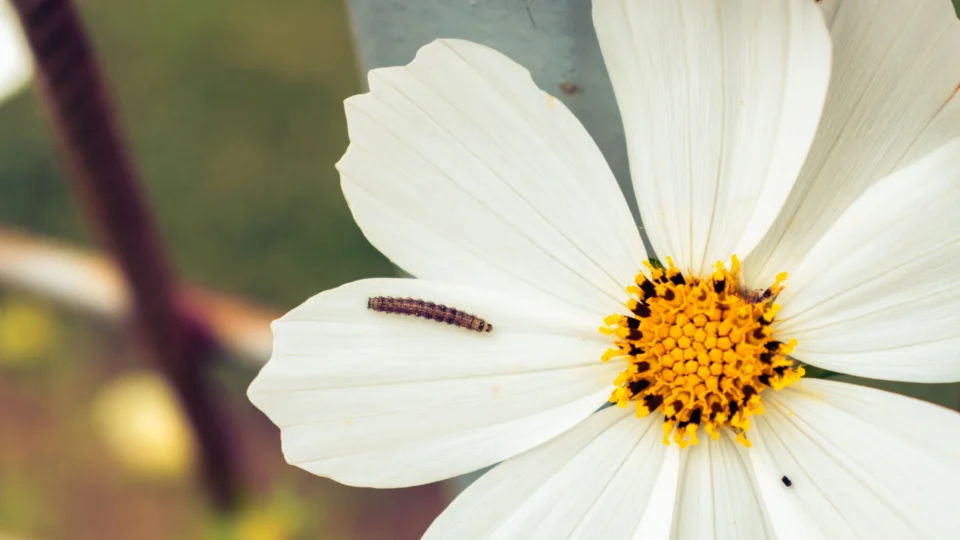
Homeowners often enjoy their green lawns in the height of summer, only to spot mysterious brown patches appearing seemingly overnight as August rolls in, leaving them puzzled about what went wrong.
August Lawn Care Essential: Scout Now for Fall Armyworms to Save Your Turf
Fall armyworms pose a significant threat to turf grass during late summer, with their rapid life cycle making early detection critical to prevent widespread damage.
Recognizing Fall Armyworm Signs in Your Yard
The caterpillars of fall armyworms, known scientifically as Spodoptera frugiperda, feed on various types of turf grass and can create brown patches that mimic drought effects even with adequate watering.
- Grass blades may appear chewed down to the stems, resulting in a closely grazed look in affected areas.
- Adult moths measure about 1.5 inches wide with gray shades, while larvae feature a distinctive upside-down Y-shaped marking on their faces.
- Egg clusters are often found on grass undersides or nearby surfaces like fences, covered in gray scales from the female moth.
These pests mature in roughly three weeks, underscoring the need for prompt scouting to avoid irreversible harm.
Detection Methods and Treatment Options
To identify an infestation without visible insects, a simple dish soap test can be applied by mixing 2 gallons of water with 2 tablespoons of lemony dish soap and pouring it on damaged grass areas, prompting caterpillars to surface within about 10 minutes if present.
- Bacillus thuringiensis (BT) serves as an organic treatment option that targets young larvae without harming most other organisms.
- Neem oil provides another approach but requires repeated applications for effectiveness.
- Pyrethroid insecticides in granular or spray forms can be used, though they pose risks to beneficial insects like bees, children, and pets, with some resistance noted in armyworms.
- Fall armyworms are moths whose caterpillars feed on turf grass and mature in about 3 weeks.
- Brown patches on lawns can result from their feeding, resembling drought damage.
- Detection involves checking for egg clusters or using a 2-gallon water and 2-tablespoon dish soap mixture.
- BT is noted as a naturally occurring organic treatment option.
- Pyrethroids are mentioned as possible insecticides but with noted drawbacks including resistance in some cases.
Treatments prove most successful on young caterpillars, making immediate action essential upon confirmation. Would you use this approach in your work? Fact Check