Sheila Das's Vision for Resilient Heritage Landscapes
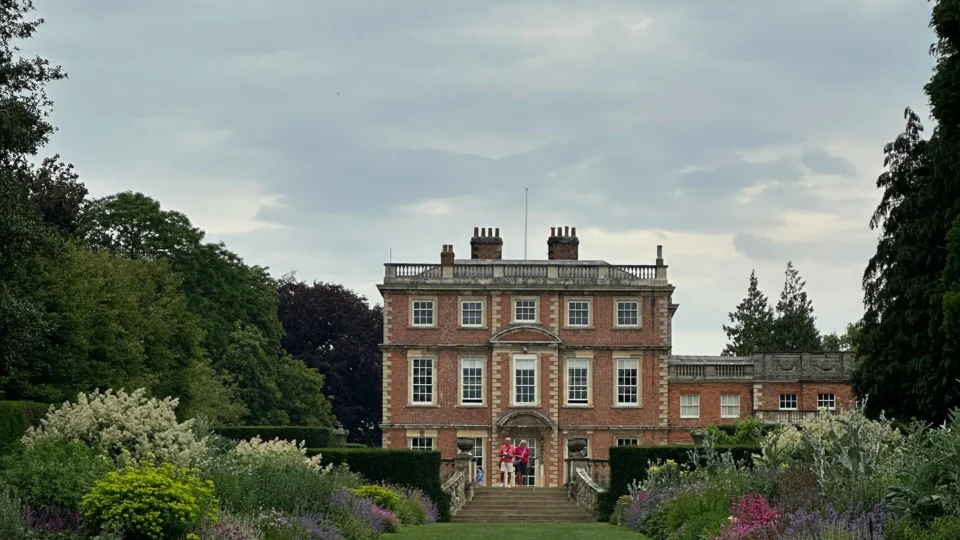
Sheila Das, appointed Head of Gardens and Parks at the National Trust in January 2025, is spearheading a nationwide shift toward sustainable horticulture across more than 200 gardens and parks spanning approximately 250,000 hectares of estate land. With a career rooted in ecological practices, Das brings expertise from her nine years as Garden Manager at RHS Garden Wisley, where she oversaw the transformation of a 19-acre edible landscape, promoted no-dig gardening to preserve soil as a living ecosystem, and launched the Planet-Friendly Gardening initiative focused on wildlife, wellbeing, and edible cultivation. The National Trust’s gardens, from iconic sites like Sissinghurst, Hidcote, Mount Stewart, and Bodnant to lesser-known treasures such as Croft Castle in Herefordshire and Peckover House in Cambridgeshire, each embody unique historical rhythms and ecological needs. Das emphasizes that these spaces are not static but evolving, shaped by their caretakers and histories. “It’s a huge challenge,” she said. “The scale and diversity are immense… each presenting unique opportunities and constraints.” This approach aligns with the Trust’s 130th anniversary milestone in 2025 and its ten-year strategy, “People and Nature Thriving – Our 2025 to 2035 Strategy,” developed with input from over 70,000 people. The plan prioritizes restoring nature, expanding access to green spaces, and driving action on climate and biodiversity amid financial pressures, including the loss of around 500 roles—about 6% of the workforce—in late 2025 due to rising labor costs from National Insurance and the National Living Wage.
Building a People-Centered Workforce for Sustainable Change
Supporting Das’s initiatives is a distributed team of roughly 650 staff and 10,000 volunteers managing over 220 gardens. In some regions, a single head gardener oversees up to seven sites, highlighting the need for adaptive, site-specific strategies rather than uniformity. Das’s national team of eight specialists provides leadership through expertise in areas like living collections curation, environmental horticulture, garden management, training, horticultural content, and support, operating within a devolved model across six regions under the Access and Conservation Directorate’s Cultural Heritage portfolio. This structure fosters innovation by leveraging regional variations. “Regional variation gives us the chance to experiment with what works in different places in ways no other organisation in the UK can,” Das noted. “The diversity gives us huge scope to innovate.” Her philosophy, termed Slow Gardening, integrates nature, people, and heritage, encouraging observation and response over rigid control. It reimagines resource-intensive traditions, such as Victorian rose gardens, by maintaining historical elements while incorporating biodiversity-supporting practices like reduced irrigation and soil protection. Key examples include:
- At Nymans, replacing struggling rose beds with a low-maintenance meadow mix of whites and pastels, which flourished without additional watering or feeding, informing future sustainable plans.
- Cliveden’s Long Garden adopting no-dig systems to safeguard soil health and minimize water use, while replacing vulnerable box plants with hardier, wildlife-friendly alternatives.
- Drought-tolerant plant trials at Sheffield Park and Garden to adapt to climate change.
- Forest gardening pilots, inspired by the Arcadia project at Shugborough, featuring layered, carbon-capturing systems.
Das views constraints as opportunities: “Limited resources… became a call-and-response: try something, see if it works, adjust if it doesn’t. Letting the land and available resources guide me frees me from the need to control everything.”
Slow Gardening's Broader Impact on Ecology and Engagement
Slow Gardening positions gardeners as environmental stewards, balancing heritage preservation with future resilience. It examines fundamentals like planting design, water use, soil health, and peat-free growing through a sustainability lens. Plants are sourced responsibly: rare varieties from the Trust’s Plant Conservation Centre and others from peat-free UK nurseries, with potential partnerships for smaller growers. “I’m particularly interested in exploring how the National Trust could support smaller nurseries, partner with them, or even provide land for cultivation,” Das explained. The societal ripple effects are profound, as gardens serve as classrooms and havens, drawing families and older visitors for year-round engagement through seasonal changes. By showcasing processes like small-scale wins, the Trust aims to inspire private gardeners, potentially creating wildlife corridors nationwide. “Seasonal change keeps things interesting year-round,” Das said. “By showing visitors our process… we inspire practices that extend into private gardens, collectively creating wildlife corridors across the UK.” Yet challenges persist, including financial strains and the need to honor legal obligations under an Act of Parliament to protect sites for future generations. “We have responsibilities to people who have entrusted properties to us,” Das affirmed. Despite these, she sees transformation as essential: “In order to have a future, we have to change… We are descendants caring for the past, but also ancestors creating the future.” This forward-looking model not only sustains heritage but enhances public connection to nature, demonstrating how mindful horticulture can address climate demands while preserving cultural legacies.
Fact Check
- Sheila Das joined the National Trust in January 2025 after nine years at RHS Garden Wisley, where she led a 19-acre edible landscape overhaul and no-dig initiatives.
- The organization manages over 200 gardens on 250,000 hectares, supported by 650 staff and 10,000 volunteers, with some head gardeners handling up to seven sites.
- In late 2025, the Trust cut about 500 roles (6% of workforce) amid rising costs, coinciding with its 130th anniversary and a strategy informed by 70,000 contributors.
- Slow Gardening emphasizes ecological practices like peat-free sourcing and trials at sites including Nymans, Cliveden, and Sheffield Park.
- Das’s team includes eight specialists focused on training, content, and environmental horticulture within a six-region devolved structure.