Hilary Farr's Garden Inspiration with Hydrangeas
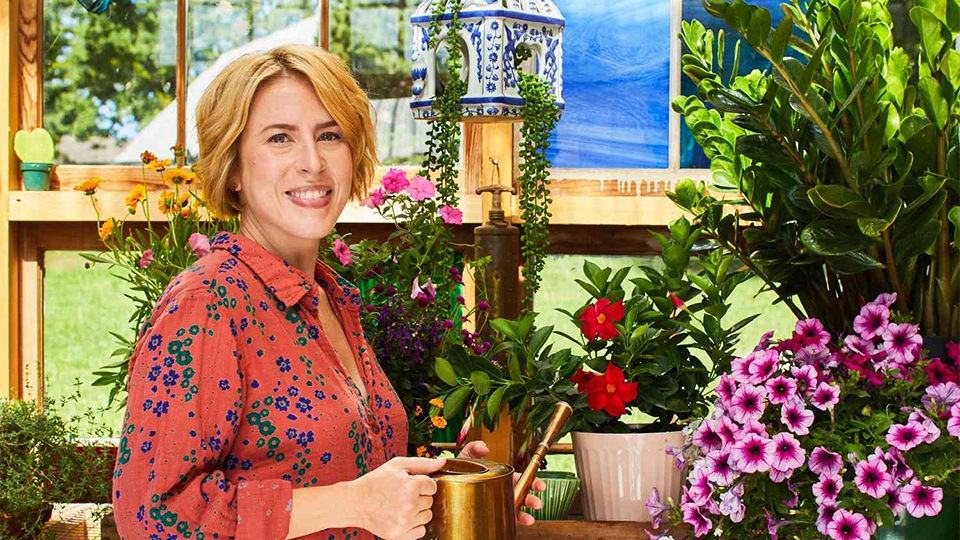
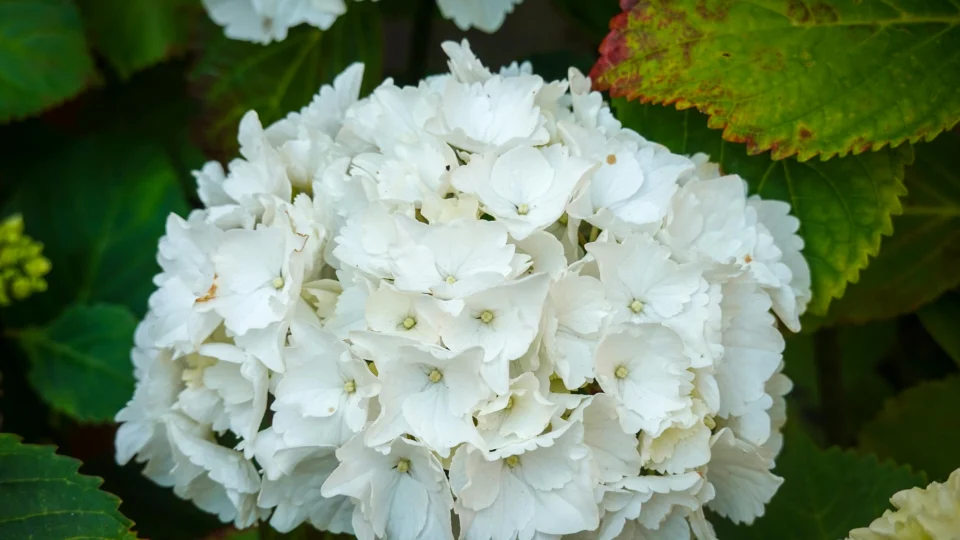
HGTV’s “Love It or List It” host Hilary Farr has long championed the charm of inviting outdoor spaces, often sharing glimpses of her own backyard paradise. In a heartfelt Instagram post, she declared, “I absolutely LOVE being in the garden,” highlighting a lush setup filled with greenery and prominent white hydrangea blooms that contribute to her cozy aesthetic. These classic flowering shrubs, known for their large, eye-catching flowers, offer a versatile option for gardeners seeking to replicate such a serene vibe. Hydrangeas, deciduous woody perennials, thrive across diverse regions, being native to parts of North America, South America, and Asia depending on the species. They adapt well to various climates, tolerating USDA Plant Hardiness Zones 3 through 9. While they may require specific fall maintenance to ensure robust blooms the following year, their payoff in visual appeal makes them a favorite for enhancing yards and gardens. Farr’s choice of white varieties stands out amid the shrub’s typical spectrum of pink, purple, and blue shades, emphasizing elegance and subtlety.
Selecting White Hydrangea Varieties for Timeless Appeal
For those aiming to mirror Farr’s style, several white hydrangea cultivars provide striking options, each with unique growth habits and bloom characteristics:
- ‘Incrediball’ (Hydrangea arborescens): A robust variety producing large, rounded white flowers that add volume to garden beds.
- ‘Invincibelle Wee White’: A compact, dwarf type ideal for smaller spaces, offering profuse white blooms without overwhelming the area.
- ‘Gatsby Gal’ (Hydrangea quercifolia): An oakleaf hydrangea featuring dramatic, cone-shaped white flowers and attractive foliage for added texture.
- ‘Little Lamb’ (Hydrangea paniculata): Delicate white blooms that transition to soft green or pink hues over time, providing seasonal interest.
- ‘Limelight Prime’ (Hydrangea paniculata): Starts with creamy white flowers that gradually shift to green or pink, extending the display through summer.
These selections highlight hydrangeas’ adaptability, with some species growing as shrubs, others as climbers needing support like a trellis or fence, and even tree-like forms available for varied landscape designs.
Planting and Caring for Hydrangeas to Ensure Success
Different hydrangea species demand tailored care, but general guidelines can guide beginners toward healthy establishment. Planting is best in spring after the last frost or in fall for root development before winter. They accommodate various soil types, including loam, sand, or clay, and handle pH levels from slightly acidic to alkaline, ideally between 6 and 8—though well-draining soil is non-negotiable to prevent root issues. Light preferences lean toward partial sun, though many tolerate full sun if watering is consistent. For optimal growth:
- Provide deep, regular watering, especially for young plants, to foster strong roots—aim to moisten the soil without soaking the leaves to minimize risks like powdery mildew.
- Monitor for pests such as aphids, which target tender new growth; introducing natural predators like ladybugs can help control infestations effectively.
With proper attention, hydrangeas reward gardeners with enduring beauty, potentially transforming any yard into a cozy retreat akin to Farr’s. As gardening trends evolve toward sustainable, low-maintenance features, incorporating hydrangeas could inspire more homeowners to cultivate personal oases—what might this mean for the future of backyard designs in an increasingly urban world?
Fact Check
- Hilary Farr, host of HGTV’s “Love It or List It,” expressed her passion for gardening via Instagram, featuring white hydrangeas in her lush backyard.
- Hydrangeas are native to regions in North America, South America, and Asia, and they thrive in USDA Zones 3 to 9 with well-draining soil of pH 6 to 8.
- Recommended white varieties include ‘Incrediball’ and ‘Invincibelle Wee White’ from H. arborescens, plus color-shifting options like ‘Little Lamb’ and ‘Limelight Prime’ from H. paniculata.
- Planting hydrangeas suits spring or fall, with partial sun preferred and regular deep watering essential for young plants to avoid diseases like powdery mildew.
- Common pests like aphids can be managed by encouraging ladybugs, supporting natural pest control in hydrangea care.