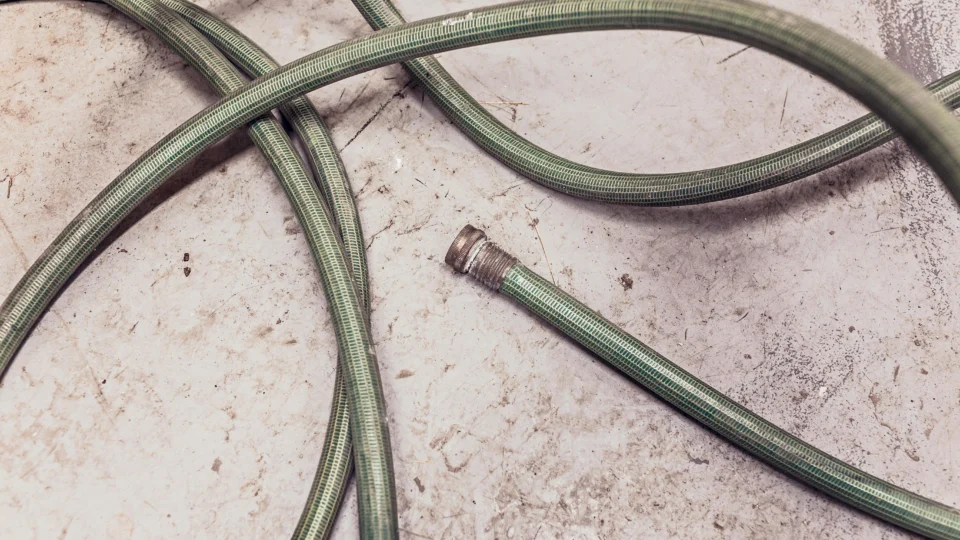
A tangled garden hose sprawled across the patio not only disrupts the serene outdoor space but also invites practical headaches, from reduced water flow to premature wear and tear. Homeowners seeking a tidy, budget-friendly fix are turning to simple DIY solutions that blend functionality with garden aesthetics.
Transforming Everyday Planters into Smart Hose Holders
In the realm of garden maintenance, proper hose storage emerges as a low-effort way to enhance both organization and longevity of equipment. This approach addresses common issues like kinking, which can diminish water pressure and lead to leaks, ultimately extending the hose’s lifespan and reducing replacement costs.
Why Hose Clutter Matters and How DIY Fixes Help
Messy hoses left in heaps pose more than visual annoyances; they compromise efficiency and durability. Reduced water pressure from tangles means less effective irrigation for plants, while physical stress can cause tears and shorten the hose’s useful life. Key benefits of organized storage include:
- Preventing tangles that obstruct water flow
- Minimizing exposure to elements that accelerate degradation
- Saving money by avoiding expensive commercial containers, which can cost up to $80
For those without a dedicated storage unit, repurposing an existing oversized planter offers a cost-effective alternative. Ideal planters should measure at least 14 to 15 inches wide and avoid a sharply tapered base to accommodate easy coiling.
Step-by-Step Guide to Creating Your Hose Storage Solution
Inspired by practical home DIY techniques, converting a planter into a hose holder requires minimal tools and time. Begin by assessing your hose’s dimensions to ensure compatibility. The process unfolds simply:
- Measure the garden hose diameter to select an appropriate hole saw bit, typically around one inch or slightly larger for the coupling.
- Position the planter on its side and drill the hole near the bottom, creating an entry point for threading the hose to the outdoor faucet.
- Place the planter near the water source, feed the hose through the hole, attach it as usual, and coil the remainder inside.
Once set up, accessing the hose for watering becomes effortless—simply retrieve the sprayer from the top. For optimal preservation, position the planter in a shaded, sheltered area to shield it from sun damage. Always drain all water from the hose before storage to prevent mildew or freezing issues in colder climates.
"Installing this garden hose holder is as easy as 1-2-3," notes a DIY enthusiast, highlighting the straightforward setup that eliminates unsightly tangles.
This method not only conceals the hose in plain sight but also promotes sustainable gardening by reusing household items, potentially inspiring broader adoption of eco-friendly home hacks. As gardens evolve with climate challenges and space constraints, such innovations could pave the way for more resilient, multifunctional outdoor areas—what adaptive strategies might homeowners explore next to maintain beauty and efficiency year-round?
Fact Check
- Tangled hoses reduce water pressure and can cause tears, leading to leaks and a shorter lifespan, as noted in standard garden maintenance practices.
- Repurposed planters for hose storage should be at least 14-15 inches wide and not overly tapered to allow proper coiling.
- Drilling a hole about one inch in diameter near the planter’s bottom facilitates easy hose threading and attachment to faucets.
- Storing hoses in shaded spots and draining water beforehand helps prevent sun damage and mildew.
- Commercial hose storage options, like certain copper pots, can cost nearly $80, making DIY alternatives more economical.