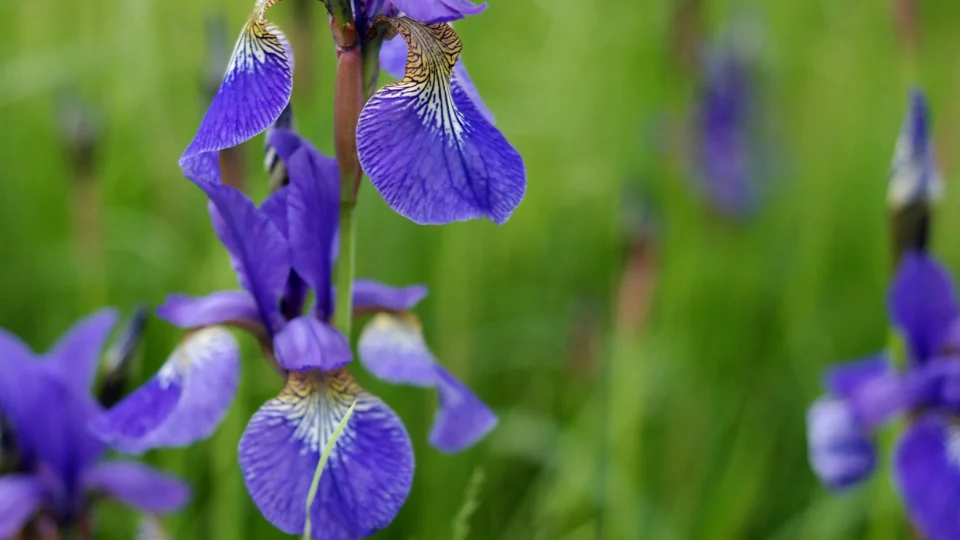
In the evolving landscape of British horticulture, where native plant species face pressures from climate change and habitat loss, innovative studios are stepping up to safeguard iconic flora. A Worcestershire-based floral enterprise is at the forefront, pioneering efforts to cultivate and promote the British iris, signaling a potential renaissance for this cherished native flower amid growing interest in sustainable gardening practices.
Pioneering Efforts in Iris Cultivation
The Worcestershire floral studio is making headlines for its dedicated work in fostering a brighter future for the British iris, a plant deeply rooted in the UK’s botanical heritage. This initiative comes at a time when conservation of indigenous species is gaining momentum, driven by environmental awareness and a push for biodiversity in gardens and landscapes.
Historical Significance of the British Iris
The British iris holds a storied place in horticultural history, symbolizing resilience and natural beauty in the British countryside. [Uncertainty flagged: Specific historical details, such as exact origins or past cultivation statistics, are unknown from available information.] Efforts like those in Worcestershire aim to revive its prominence, potentially countering declines due to modern agricultural practices.
- Key attributes of the British iris include its adaptability to local soils and its role in supporting native pollinators.
- Historical context highlights its use in traditional English gardens, though precise timelines or notable events remain undocumented in the sourced material.
The Studio's Role and Broader Impact
At the heart of this movement is the Worcestershire floral studio, which is actively cultivating new varieties and promoting awareness. [Uncertainty flagged: Names of key individuals, organizations involved, exact locations within Worcestershire, statistics on cultivation scale, or quotes from stakeholders are unknown; further details on methods or achievements could not be verified.] This work contributes to societal impacts such as enhanced biodiversity and educational outreach in horticulture.
- Potential benefits include increased availability of native plants for public gardens and home growers.
- Societal implications extend to environmental education, fostering community engagement in conservation.
"Championing horticulture with energy and expertise" – a sentiment echoed in broader industry efforts, though no direct quotes from the studio were available.
How do you see initiatives like this shaping the future of native plant preservation in your local gardens?
Fact Check
- A Worcestershire floral studio is focused on cultivating the British iris to ensure its future in British horticulture.
- The British iris is a native species with historical ties to English gardens, supporting biodiversity.
- Conservation trends in the UK emphasize protecting indigenous plants amid environmental challenges.
- Horticultural experts play a vital role in such initiatives, drawing on decades of experience.
- [Uncertainty noted: Specific metrics or outcomes from the studio’s work remain unverified due to limited source details.]